A Guide to the Town
If you’re looking for somewhere that feels settled, characterful and genuinely liveable, Melbourne tends to tick the boxes quickly.
This historic market town in South Derbyshire sits between Derby and Ashby-de-la-Zouch, within the South Derbyshire District, and has a population of around 5,000. It’s small enough to feel personal, yet well connected enough for daily commuting across the East Midlands without it becoming a chore.
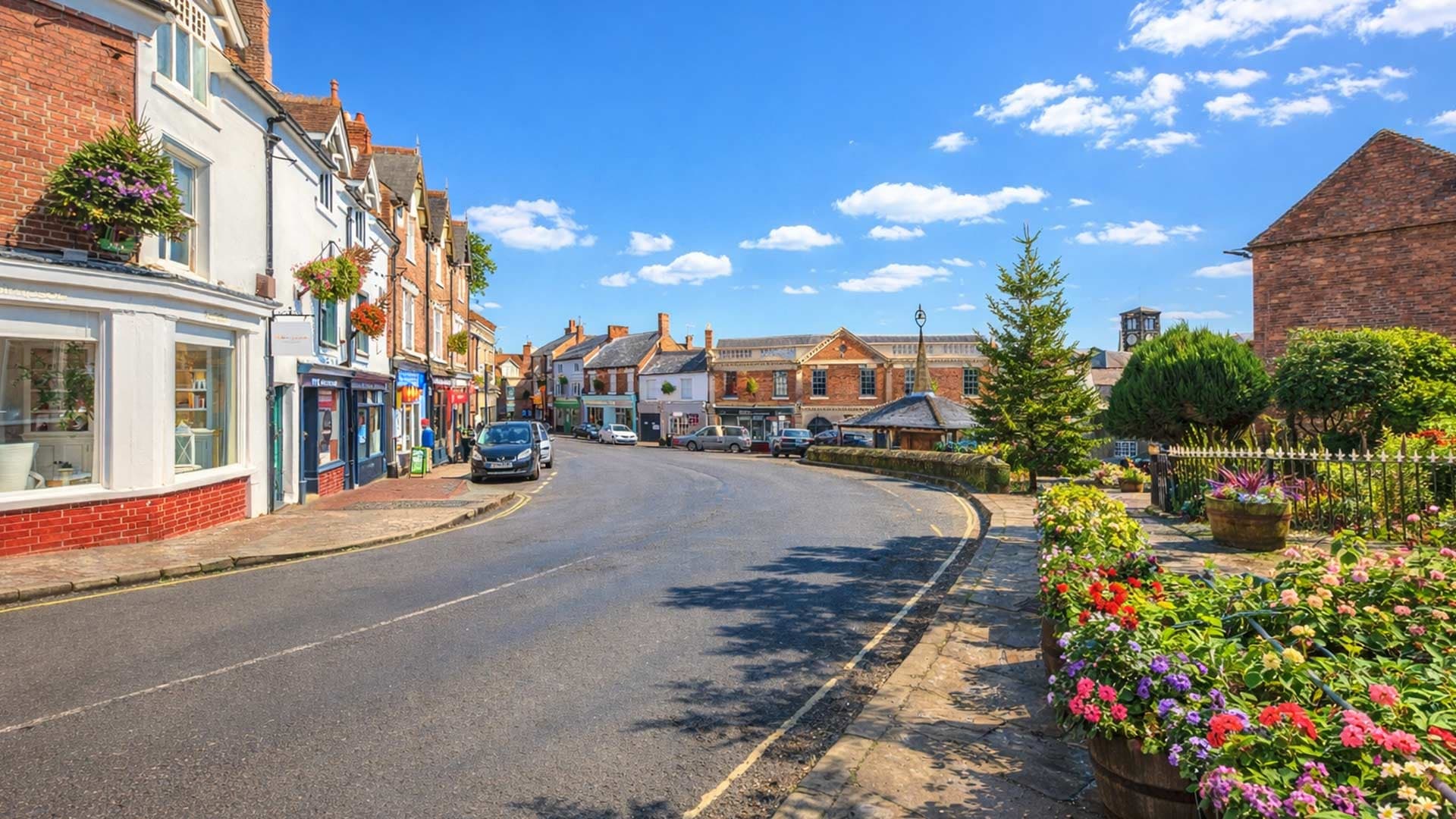
Most people describe it as more “large village” than town. There are plenty of Georgian streets that haven’t been overdeveloped, a traditional Market Place that still feels like the centre of daily life, and conservation areas that protect what makes the place attractive in the first place.
Then there’s the setting. Open countryside is on the doorstep. Melbourne Pool gives you green space and waterside walks. Calke Abbey is minutes away. Add easy access to the A50, M1 and East Midlands Airport and you’ve got somewhere that balances charm with practicality.


Housing Stock and Property Types
Melbourne’s property mix tells the story of a town that’s evolved without losing its shape.
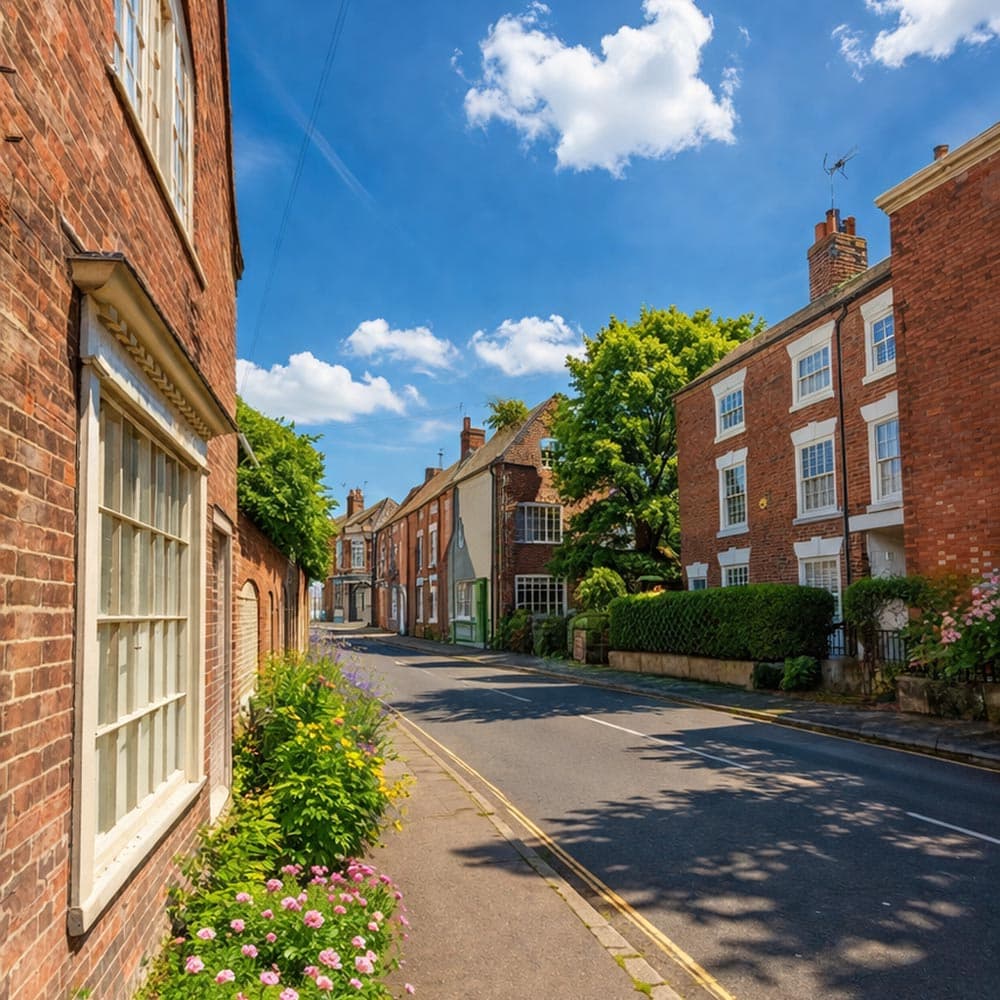
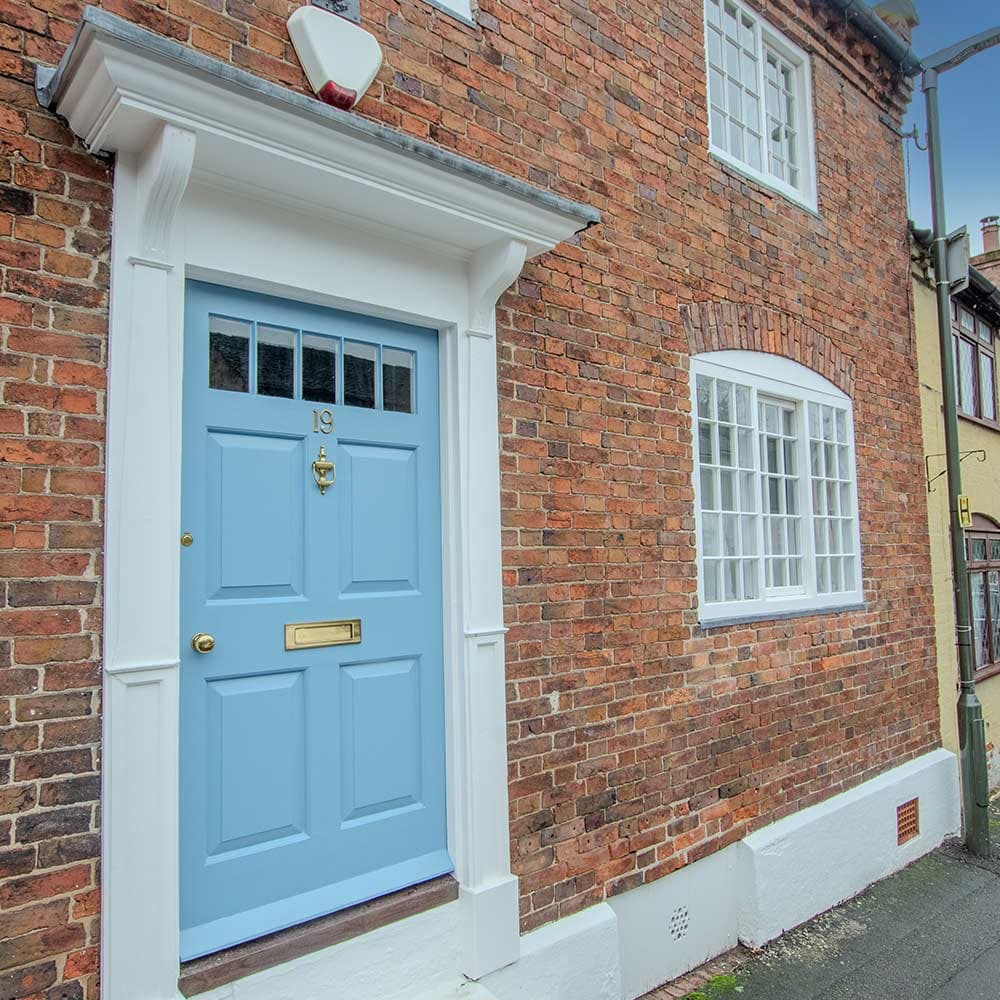
In the centre – places like Church Street, Potter Street and around Market Place – you’ll find Georgian townhouses, brick and stone cottages, and Victorian terraces. Many sit within the conservation area, which means architectural details are protected. Think sash windows, original brickwork, stone lintels and proper proportions. It gives the town a cohesion that’s hard to replicate with new builds.

Move out towards Packhorse Road, Derby Road and the edges near Kings Newton and Castle Donington, and the style shifts. You’ll see:
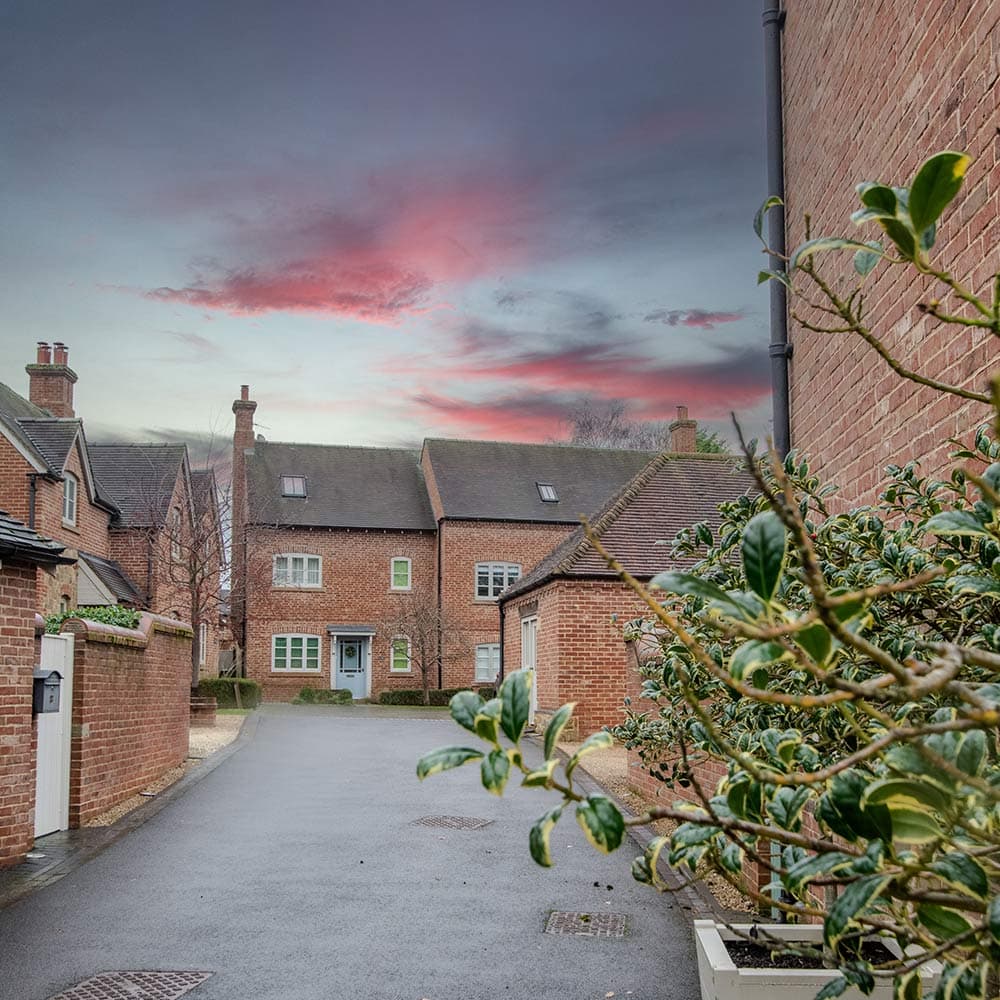
There are also smaller modern developments offering contemporary detached homes, townhouses and bungalows. These tend to appeal to families wanting updated layouts and manageable gardens, and to downsizers who don’t want a full renovation project. Planning controls within the conservation zone limit excessive infill and conversions, which in practice helps maintain the town’s overall appearance. Red brick dominates, with rendered façades and slate or tiled roofs common across both older and newer properties. Stone detailing crops up frequently on historic homes.


Melbourne offers the sort of everyday convenience that makes life straightforward. You’re not relying on one road in and out, and you’re not short on things to do at weekends.

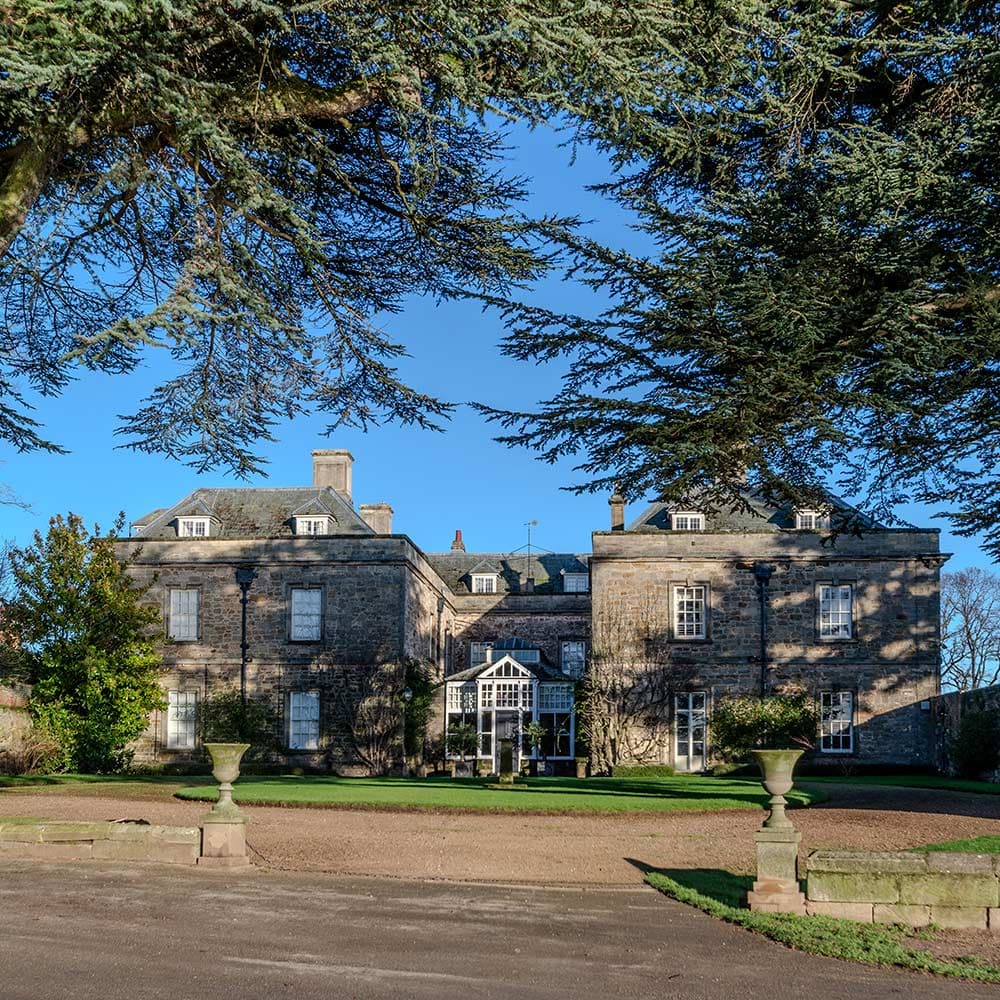
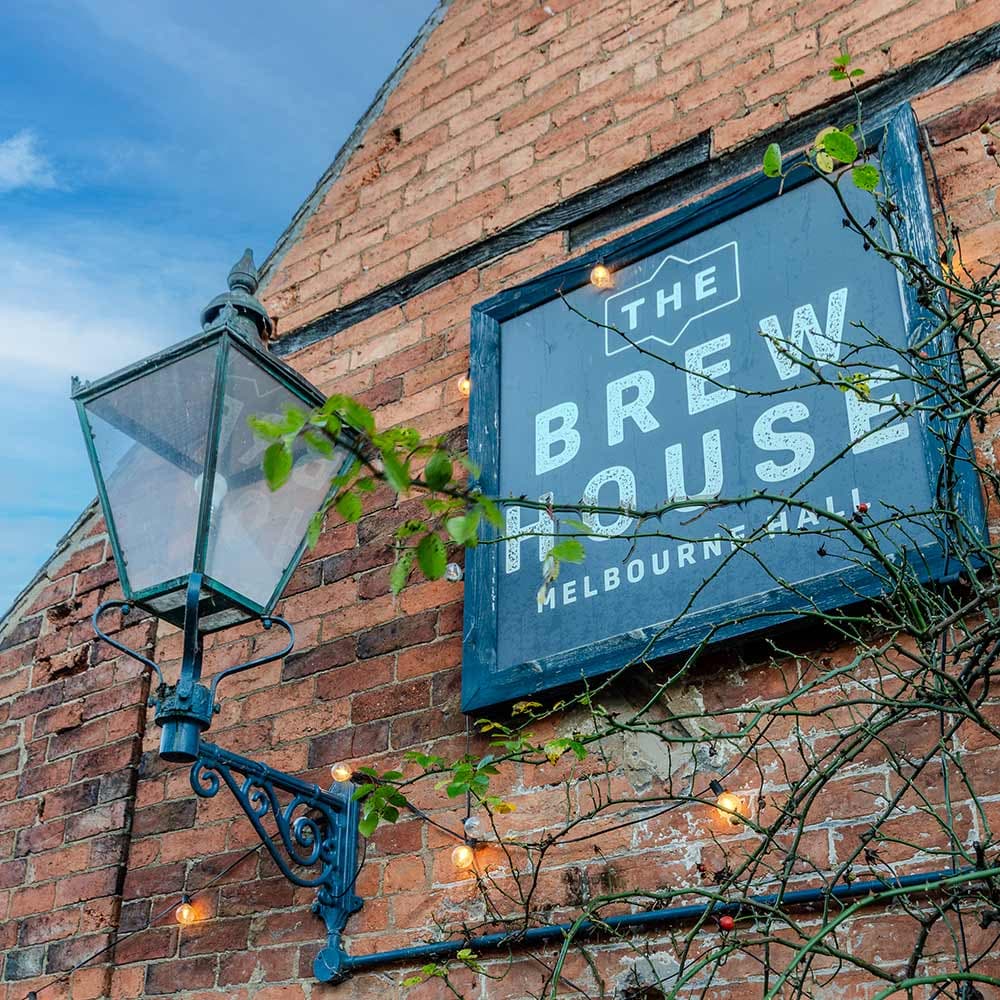
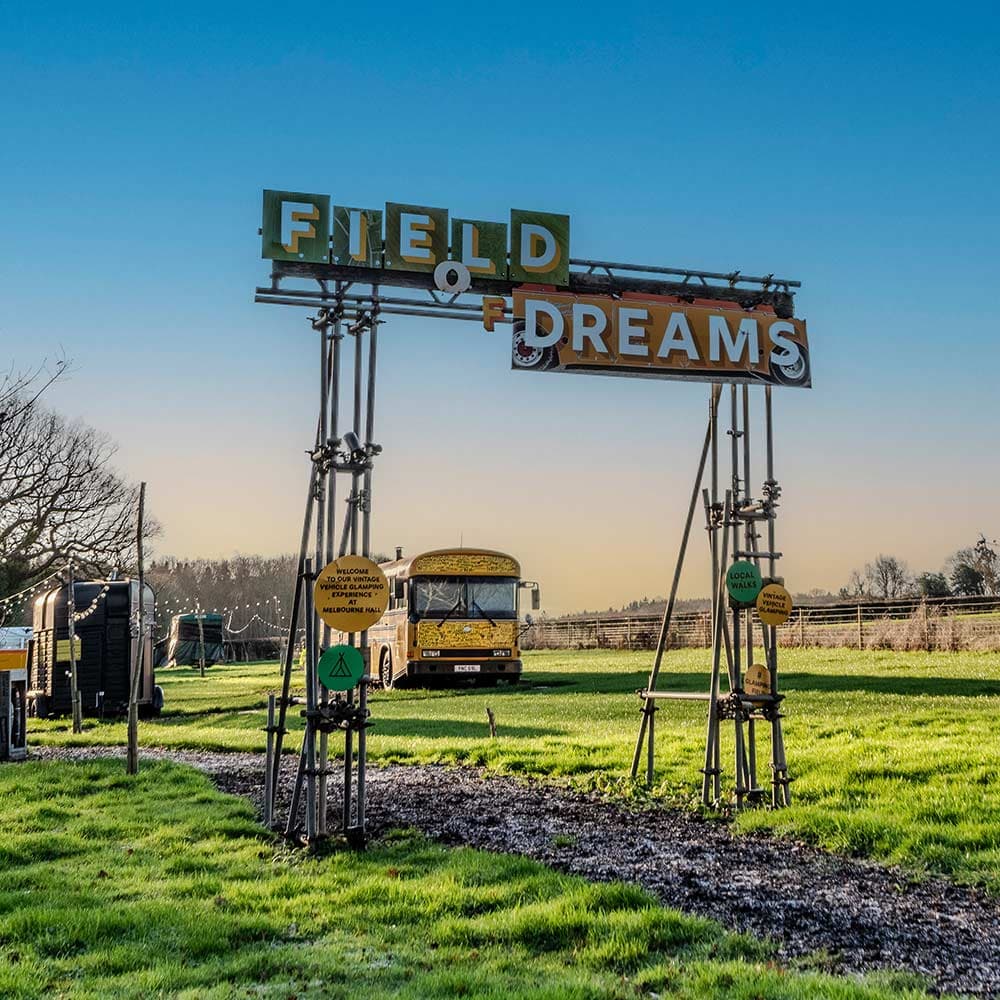
Melbourne Hallv is one of the town’s defining landmarks. The 18th-century house and formal gardens attract visitors year-round and sit right at the heart of the town’s identity. It’s the sort of place residents end up taking for granted.
Melbourne Poolv provides open green space and walking routes around the water, while the surrounding countryside links via footpaths and bridleways to villages such as Wilson, Ticknall, Formark and Breedon on the Hill.
A short drive away is Calke Abbey, managed by the National Trust. The 600-acre estate offers parkland, woodland trails and cycling routes with enough space to disappear for an afternoon without repeating the same path twice.
For organised sport, Melbourne Sports Park supports football, cricket and fitness activities, helping maintain an active local community.

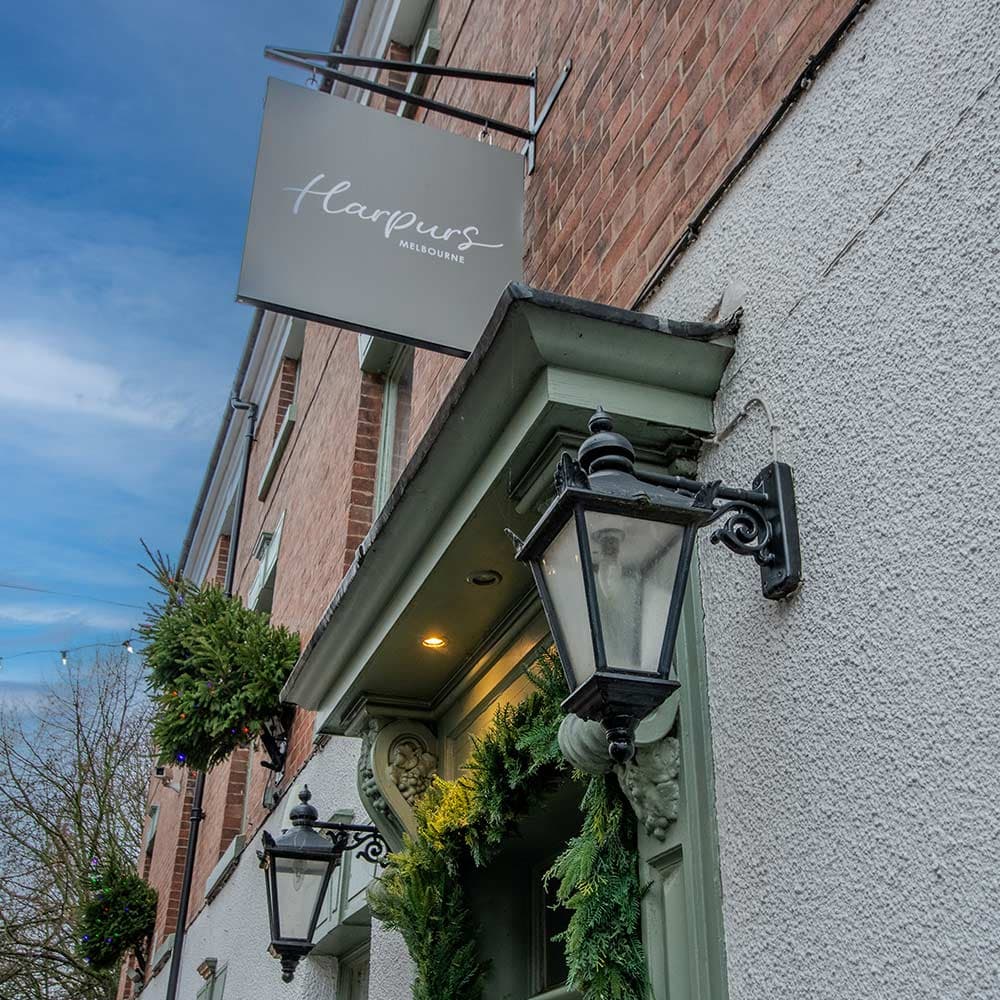
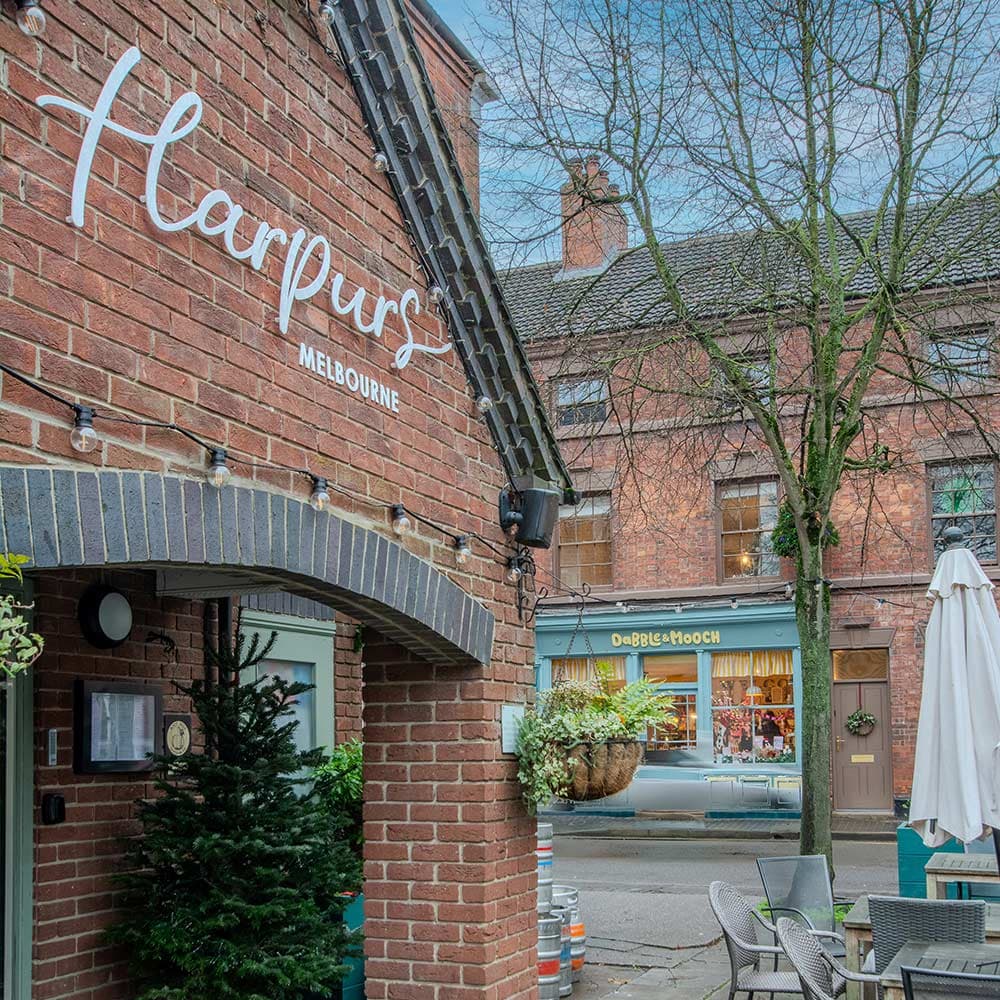
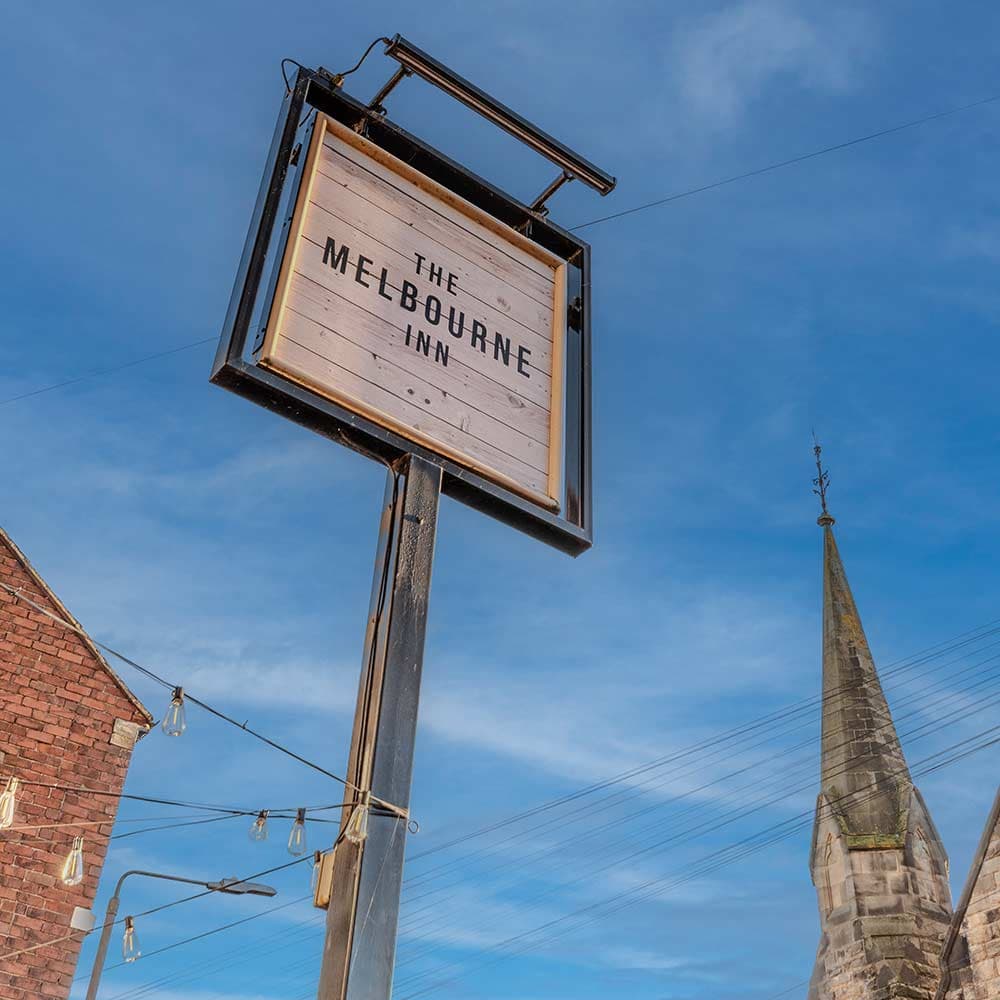
For a town of around 5,000 people, Melbourne punches above its weight when it comes to food and drink. Most of it clusters around the Market Place and nearby streets, so everything’s within easy walking distance.

A few local favourites include:
These are independent venues and are well used by residents, not just weekend visitors, which keeps the atmosphere steady rather than seasonal. The area feels busy, but never hectic.

For families, local schooling is a major factor. Melbourne is served by Melbourne Infant School and Melbourne Junior School, both with solid reputations locally.
For secondary education, pupils usually travel to Chellaston, Ashby-de-la-Zouch or Derby. Transport links support this, and many families factor that commute into their decision early on.
Independent options are also within reach, including Trent College and The Elms School, which broadens the choice for those relocating into the area.
Education isn’t an afterthought here. It’s part of the appeal.

The town centre covers daily essentials well. Around Market Place and Church Street you’ll find:
There isn’t a large supermarket in the centre itself, but Castle Donington, Chellaston and Derby all offer bigger retail stores within a short drive. In practice, most residents handle everyday needs locally and head out only when they want a larger weekly shop or specific retailer.

Location is one of Melbourne’s strongest selling points.
The town sits around 8 miles south of Derby and roughly 20 miles from Nottingham. The A50 provides direct access towards Stoke-on-Trent and the M1 (Junction 24), while the A42 and A514 widen regional access further.
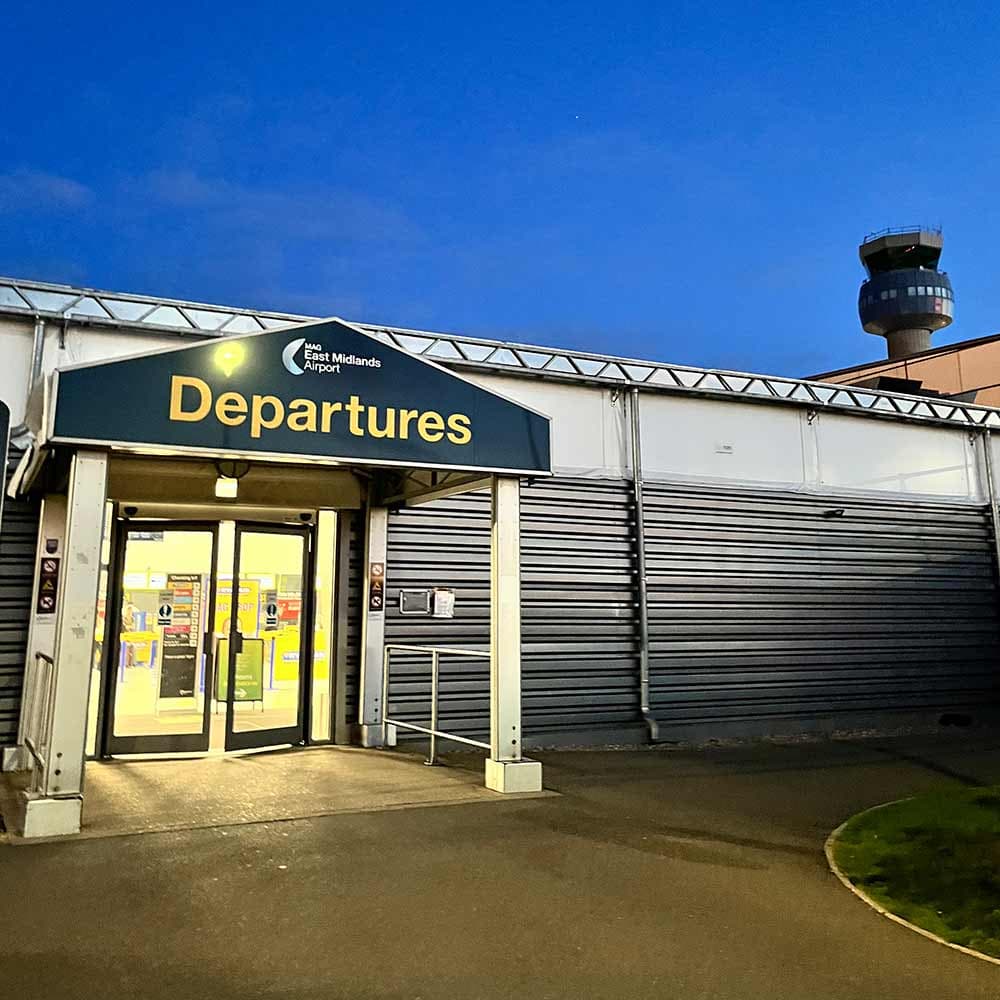
East Midlands Airport is a short drive away, making Melbourne especially convenient for aviation-related employment and frequent travellers. For rail connections, East Midlands Parkway offers direct services to London, Sheffield and other major cities.
By car, Derby city centre is typically reachable in about 20 minutes. Nottingham is around 35–40 minutes, traffic depending.
For many buyers, that level of access combined with a town that still feels grounded is the deciding factor.

Melbourne’s sense of community is real.
The annual Melbourne Festival brings arts, music and exhibitions to venues across the town and draws visitors from across the region. Seasonal markets and local events are consistently well supported.
Historic landmarks such as St Michael with St Mary Church reinforce the town’s heritage, while clubs and societies span sport, arts and volunteering.
It’s a traditional community, and that’s exactly why many people stay long term.

When it comes to buying, selling or letting in Melbourne, local knowledge matters. Subtle pricing differences between conservation streets and later developments can significantly affect value, and understanding buyer demand at different price points isn’t something you pick up from a spreadsheet alone.
Our estate agents have extensive experience across South Derbyshire, including Melbourne and the surrounding villages. The team understands conservation area considerations, current pricing trends and what buyers are actively looking for in this market. Whether you’re planning a move now or simply testing the water, straightforward advice makes the process clearer, and usually more profitable. If you’d like a valuation or an honest conversation about your next step, speak to the Robert Ellis team.

If you are searching for an Estate Agent to sell your house in Melbourne then with over 30 years in selling properties in Melbourne look no further than Robert Ellis Estate Agents.