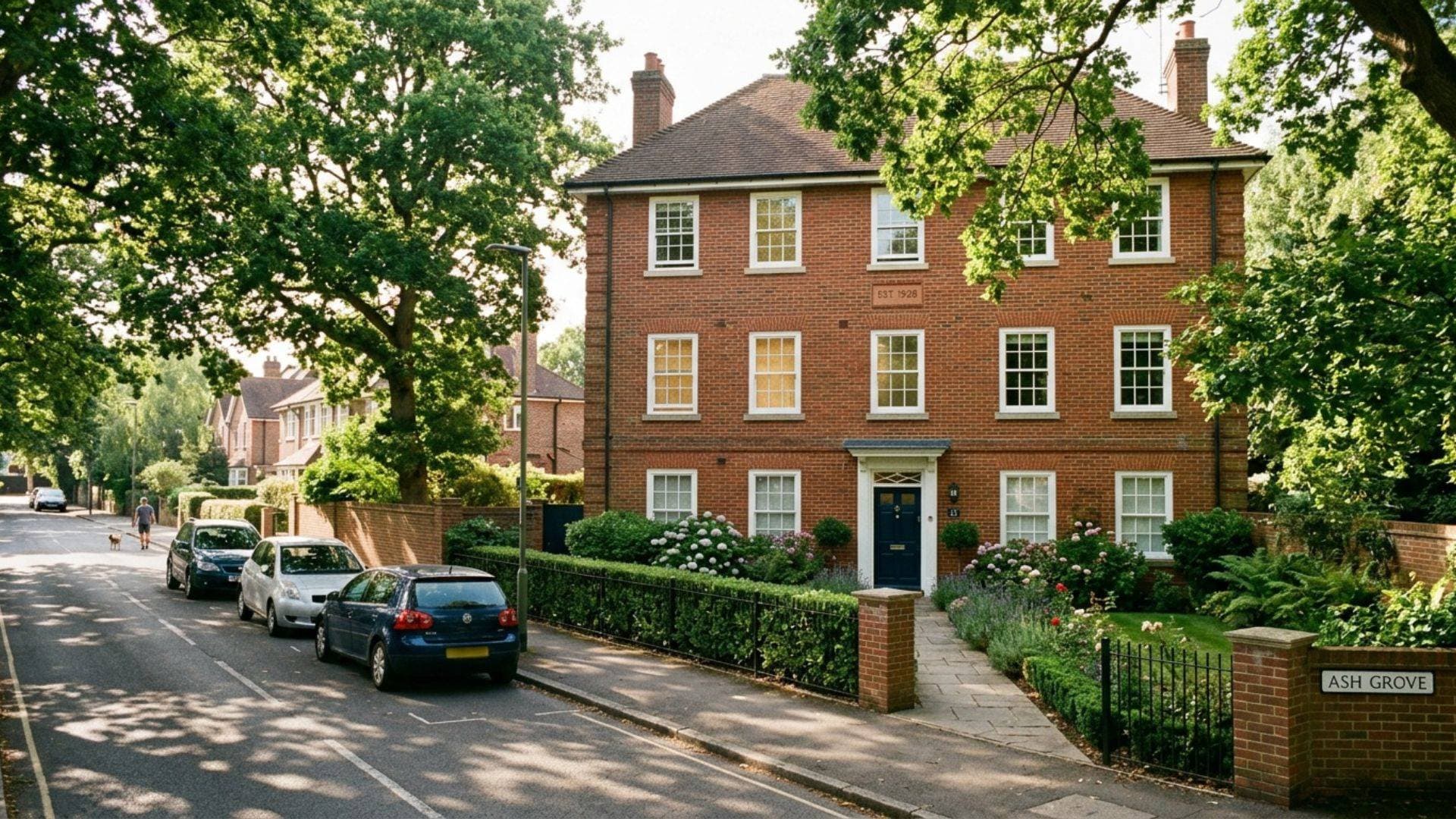
The gap between the cost of a flat and the cost of a house is at its widest since records began, claim Zoopla. The price of a flat has increased just over 10% since 2016. In contrast, the price of a house has jumped 43% in the same period.
The portal found a house now costs 1.7 times the cost of a flat. Ten years ago, this figure was just 1.3 times. In monetary terms, today’s buyers pay an average of £193,000 for a flat, versus £327,000 for a house.
When Zoopla looked at regional price averages across the UK, measured between 2016 and 2026, there were some geographical differences tied to house appreciation and the supply of flats.
London calling: flats remain a route to entry
Take London, for example. Many of the homes for sale in the city are flats – a far greater proportion than other regions in the UK. The volume of flats available and the greater instance of purchasing a leasehold property has kept the house-to-flat price ratio the UK’s joint lowest. In London, a house costs 1.9 times the price of a flat.
Despite this, the gap feels like a huge jump. The average London flat costs £416,000, while the average house costs £809,000. This is why flats remain the main route to homeownership in London.
House prices streak ahead
The picture is different in the Midlands and the North. The price of a house is now 2.5 times the cost of a flat in the West Midlands, followed by Yorkshire & Humber (2.4 times), and the East Midlands, the North West and the North East (all 2.3 times).
Even though houses are far more expensive to buy than flats, house prices in these regions are well below the UK’s average house price of £327,000. In many cases, buyers in the Midlands and the North bypass flats altogether in favour of houses.
Level playing field
Scotland, like London, has its own flat microclimate. The absence of the leasehold system means Scottish flats are very much equal to houses in terms of property prospects and appeal. As such, the value gap between houses and flats has barely changed over time, rising from 1.8 times in 2016 to 1.9 times in 2026.
Slower to sell…just
Flats do take longer to sell than houses but not by as much as you might assume. Zoopla found house sales in the UK took 32 days, compared to 40 days for a flat. The portal provided a regional breakdown too.
The South East and the East Midlands have the slowest flat markets, taking 49 and 47 days to sell, respectively. The quickest is Scotland (15 days – the same duration as houses), followed by the North East (29 days).
The leasehold leverage
Scotland shows us that flats themselves are not a problem but leasehold tenures are. Leasehold flats are more complex propositions. Buyers need to understand the relationship between lease length, ground rent, service charge and property value, as well as recognise restrictions imposed by the freeholder.
Reforms boost the appeal of flats
Buyers who fully understand leasehold nuances can currently secure exceptional value for money and there is positive news on the horizon. The Leasehold and Freehold Reform Act 2024 is now law, with implementation being rolled out by the current Government.
The first major change has happened already. Flat leaseholders can now extend their lease from day one, rather than having to let two years pass. It’s now also easier for leaseholders to mount a ‘Right to Manage’ claim.
The Government is currently reviewing unfair service charges, transparency requirements and the regulation of managing agents. We should also see marriage value banned.
In the future, the Act should make it easier and cheaper for many flat leaseholders to extend their lease or buy their freehold. The standard lease extension term should also increase to 990 years, giving leaseholders more security.
A new Bill is being prepared
Leaseholder rights should be further strengthened in the coming years. The Government is also working on the Commonhold and Leasehold Reform Bill. This would cap ground rent, ban new leasehold flats being built and make it easier for people to adopt a commonhold tenure. We should see some of these changes as early as 2027.
The current Act and the new Bill should infuse the flat market with confidence. At their current value, flats are not just for first-time buyers. They can offer ‘lock up and leave’ benefits for downsizers and larger examples shouldn’t be ruled out by families.
Ask us for our current list of available flats and to book a viewing.
Share this article
More Articles


Sign up for our newsletter
Subscribe to receive the latest property market information to your inbox, full of market knowledge and tips for your home.
You may unsubscribe at any time. See our Privacy Policy.