Hucknall is a town of 35,849 people (2021 census) in the Ashfield district of Nottinghamshire, about seven miles north-west of Nottingham on the western side of the Leen Valley. It grew on framework knitting and then coal, and today it works as a commuter town with a rare practical advantage: the tram and the railway share a station here, with direct access between the platforms. Between the 2011 and 2021 censuses, the town added almost 4,000 residents, which tells you most of what you need to know about the direction it’s heading.


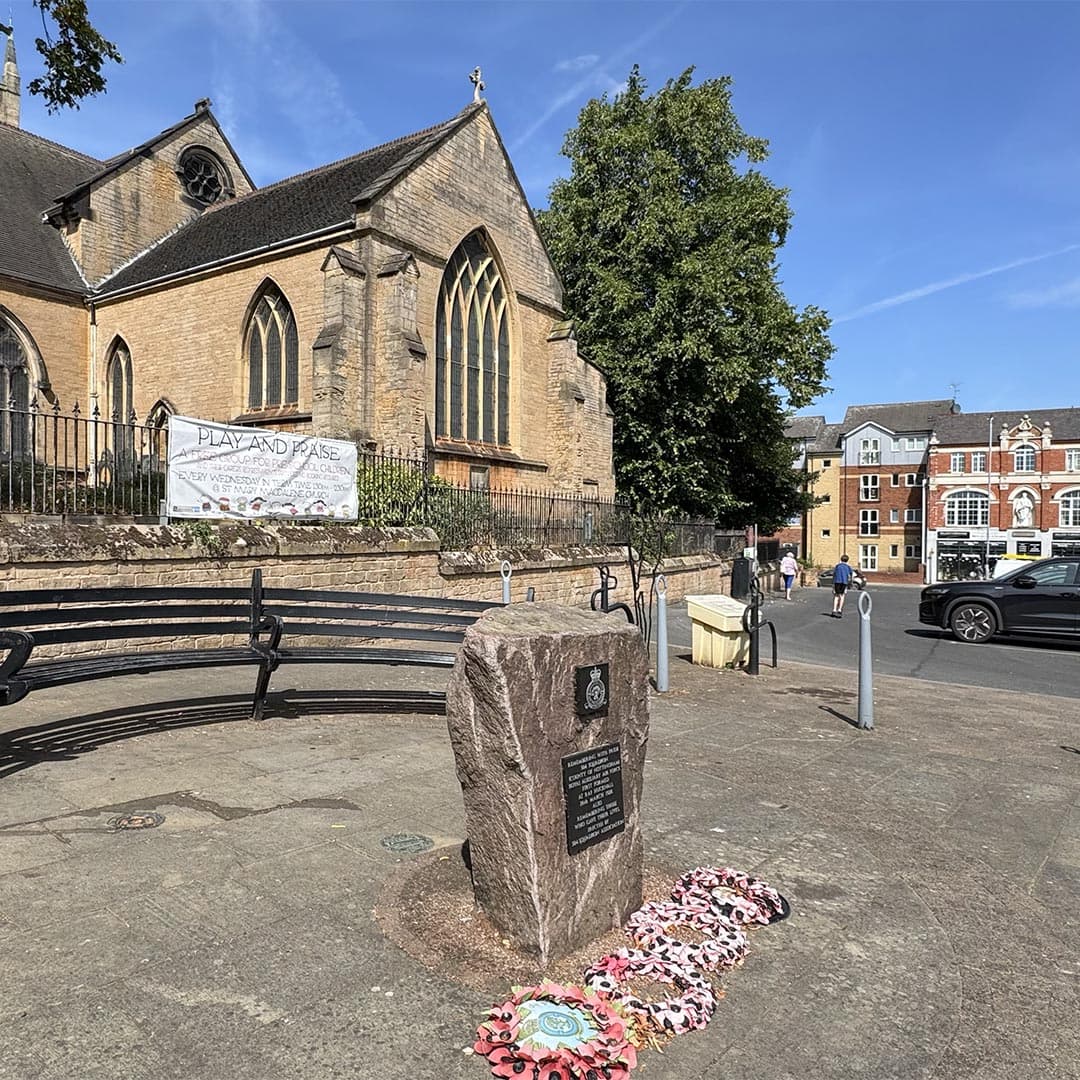
Lord Byron is buried here, in the family vault at St Mary Magdalene Church in the Market Place, and his daughter Ada Lovelace, the mathematician now celebrated as a pioneer of computing, was buried beside him in 1852. The Byron connection runs through the town, from the statue set into the old Co-operative building on the Market Place to Newstead Abbey, the family’s ancestral home, a short drive north past Linby. The composer Eric Coates was born in Hucknall too, so for a former pit town, it carries a remarkable cultural register.
The other claim is aeronautical. Rolls-Royce’s site at Hucknall was where the world first saw a vertical take-off aircraft demonstrated, with the test rig nicknamed the Flying Bedstead making its first free flight here in 1954. The town also remembers its mining century: a memorial statue to Hucknall’s miners by the sculptor Graham Ibbeson has stood in the town since 2005.
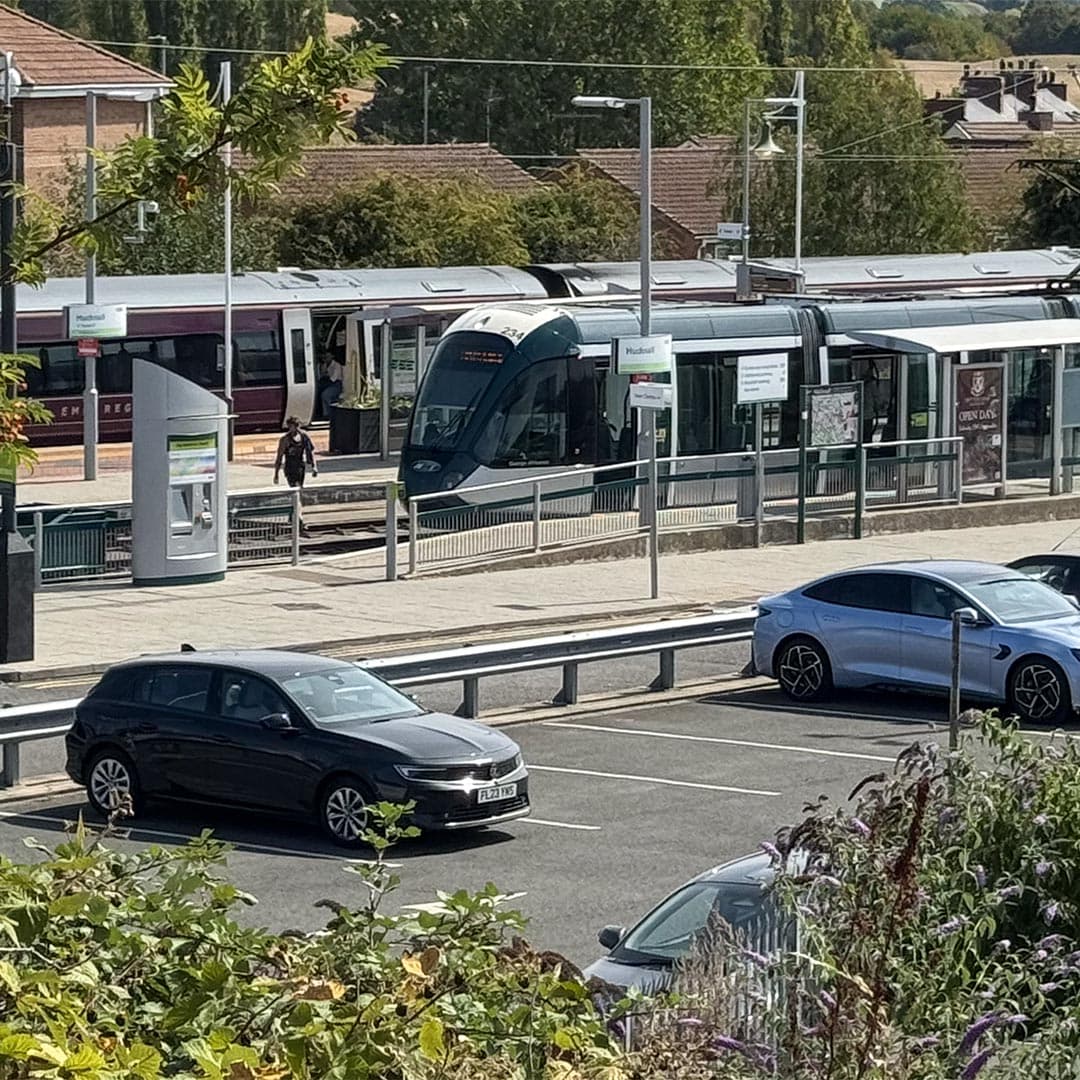
For day-to-day life, the practical one-off is the station. Hucknall station is both a Robin Hood Line railway stop and the northern terminus of Nottingham’s tram network, with the rail platform opening directly onto the tram platforms and around 450 park and ride spaces alongside. Very few towns of this size get two rail-based routes into a city from a single interchange.


It’s very much influenced by price and accessibility. Hucknall property generally offers good value for money compared with nearby Arnold, with average prices for semi-detached homes currently around £215,466 in Hucknall compared with £213,914 in Arnold.
Hucknall has town-sized amenities and a genuine centre, with two fixed-rail routes into Nottingham and the Robin Hood Line running north to Mansfield, at prices below the city’s southern and western suburbs. The scale of recent housebuilding shows the demand is real: this is one of Nottinghamshire’s fastest-growing towns.
The town is particularly attractive to commuters, thanks to the NET tram network, which provides direct links to Nottingham City Centre, the Queen’s Medical Centre and Beeston. Hucknall also benefits from easy access to the M1 motorway via Junction 27.

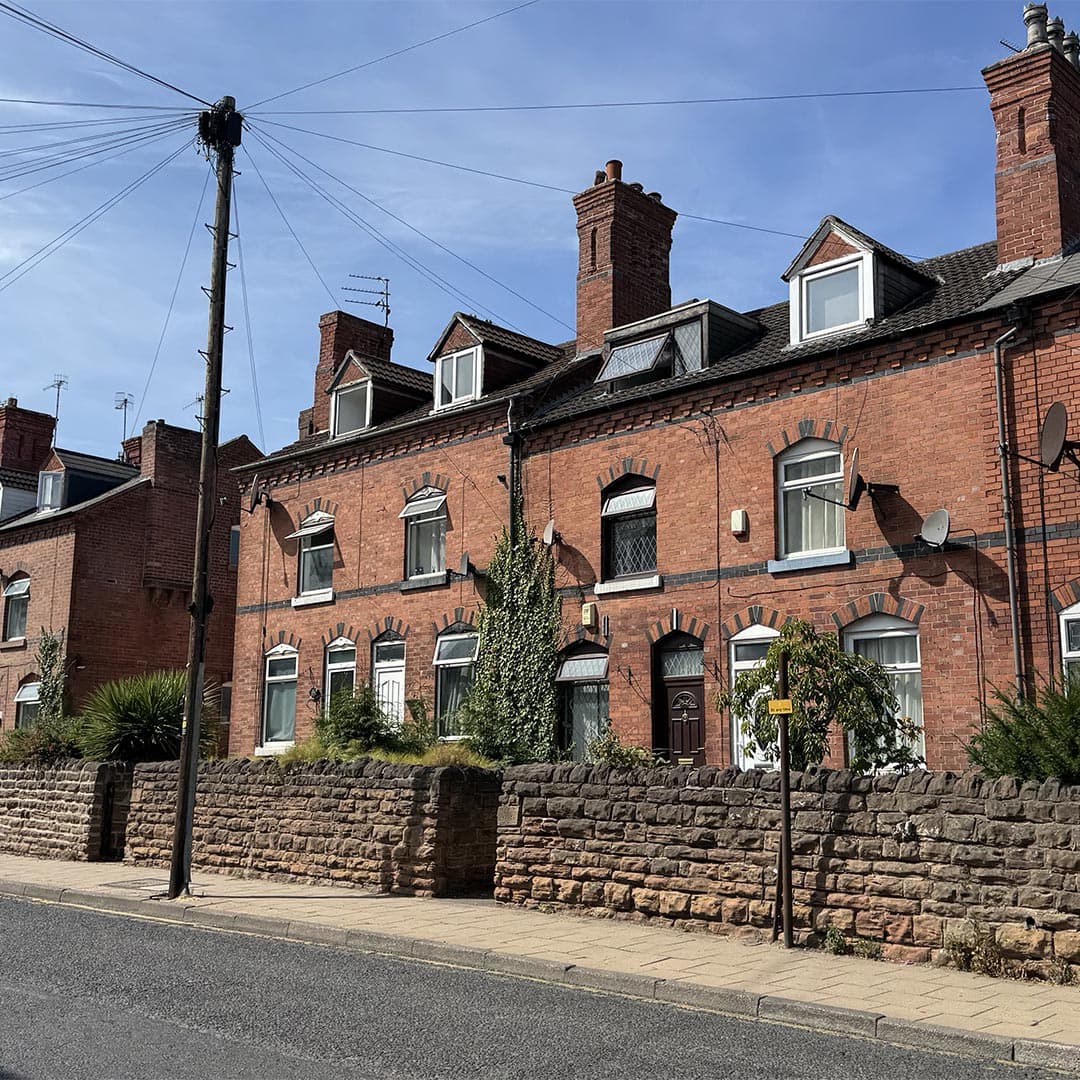
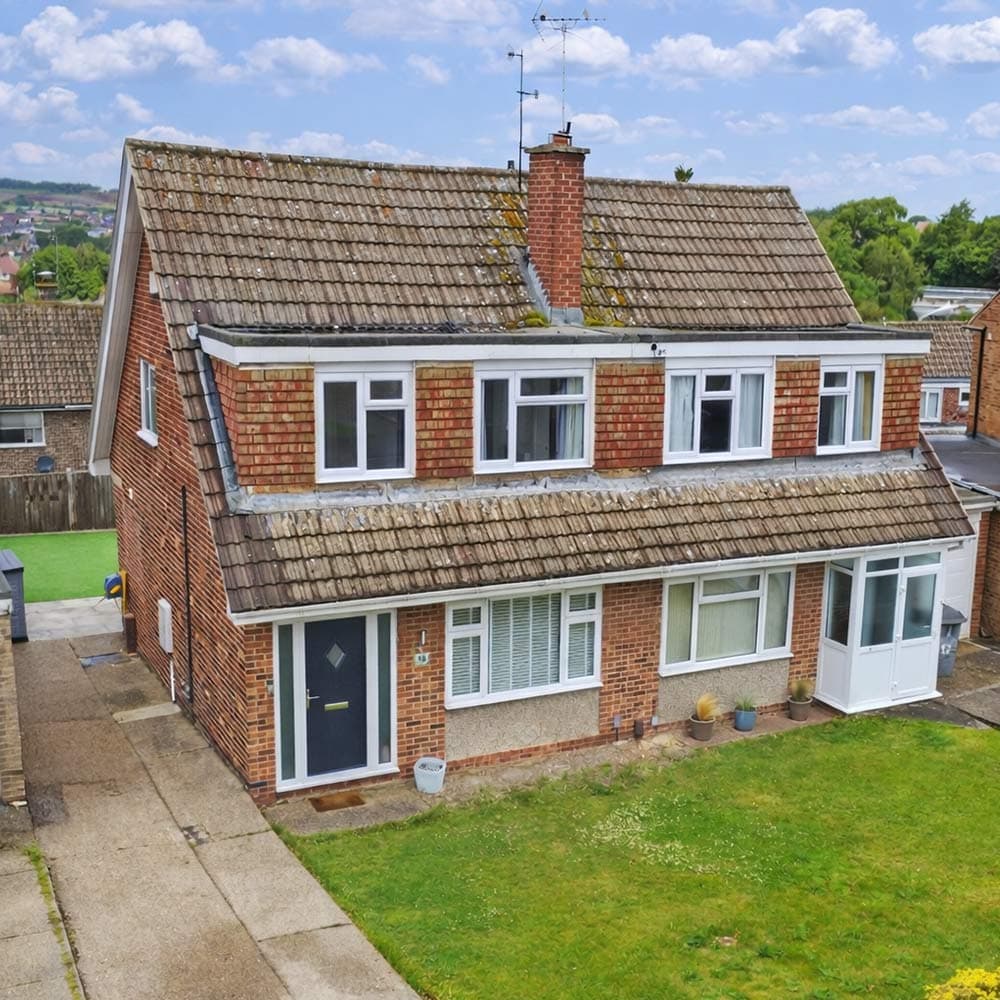
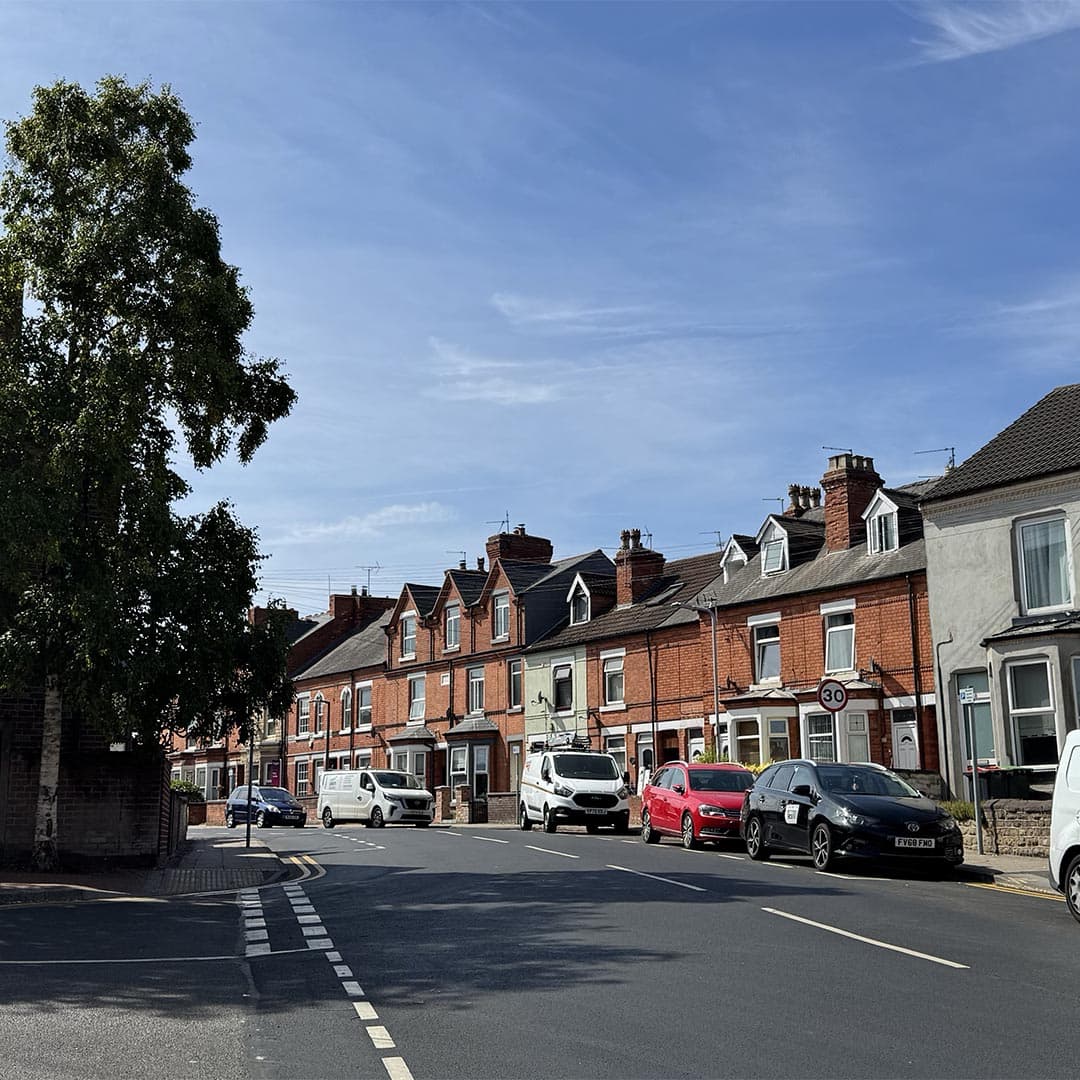
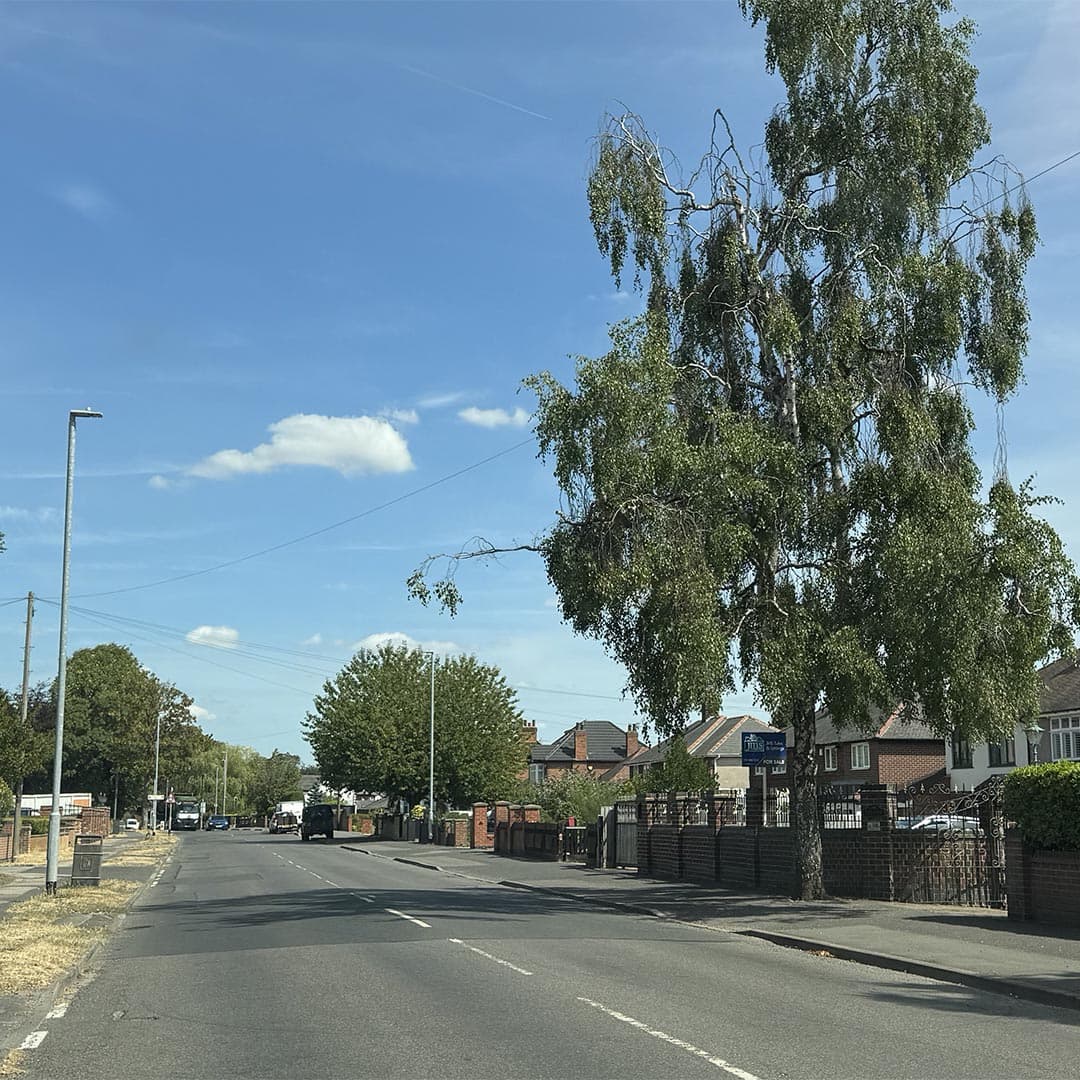
The properties in Hucknall are a real representation of its history. The knitting and mining eras left Victorian terraces around the town centre and the older streets off Watnall Road and Annesley Road. These were joined by interwar and post-war semis as the town expanded.
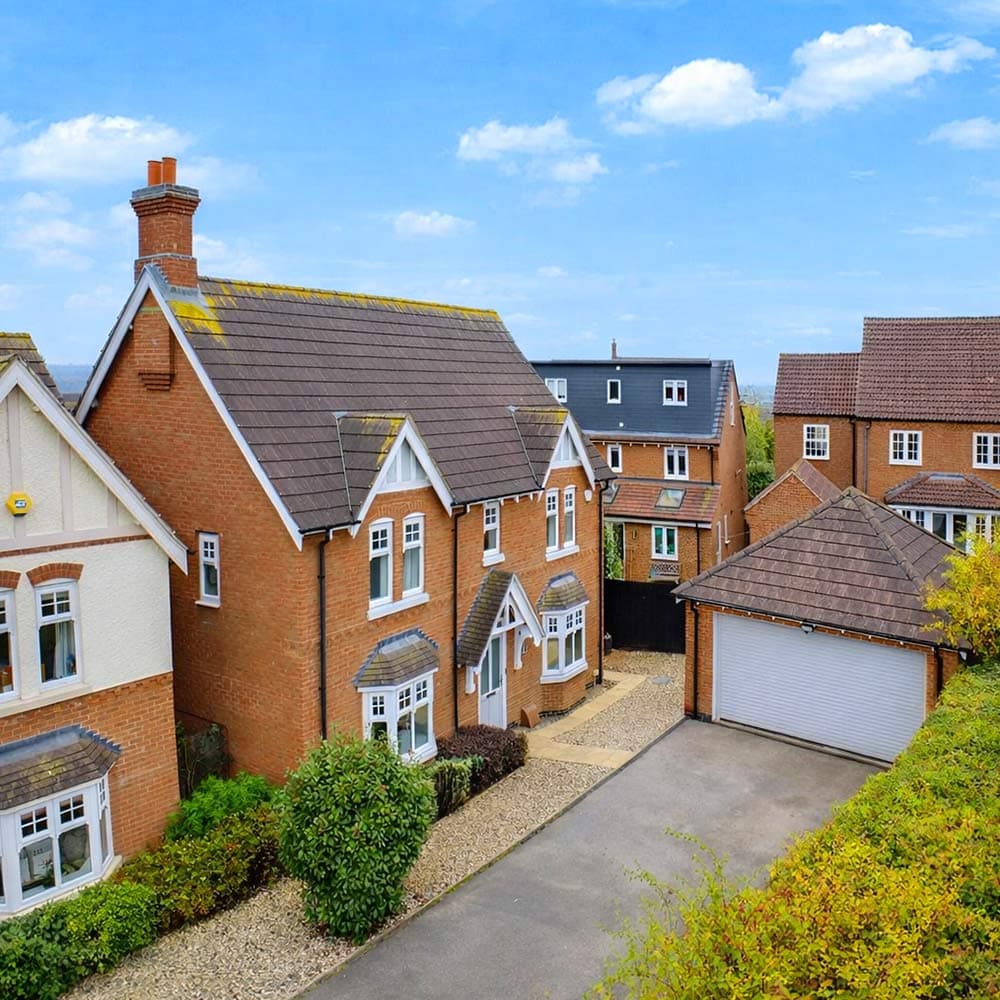
The area has seen significant new housing development in recent years, providing a good selection of modern family homes with contemporary layouts and energy-efficient features. New build developments are located around Watnall Road and the former RAF and Rolls-Royce airfield site near Watnall Lane.
If you’re looking for affordable housing, the areas around Portland Road have traditional terraced properties, while roads such as Papplewick Lane feature larger family homes. This variety means Hucknall works for a broad range of budgets and buyer requirements.

Titchfield Park is the town’s main park, close to the centre, and Hucknall Leisure Centre covers pools and indoor sports. The countryside is never that far away – the Misk Hills rise to the north-west and Bestwood Country Park sits just south of the town with its winding house and mining heritage. The grounds of Newstead Abbey, with lakes and gardens open to visitors, are ten minutes up the road. Long Hill, the town’s highest point, gives views back over Nottingham and the Trent Valley.

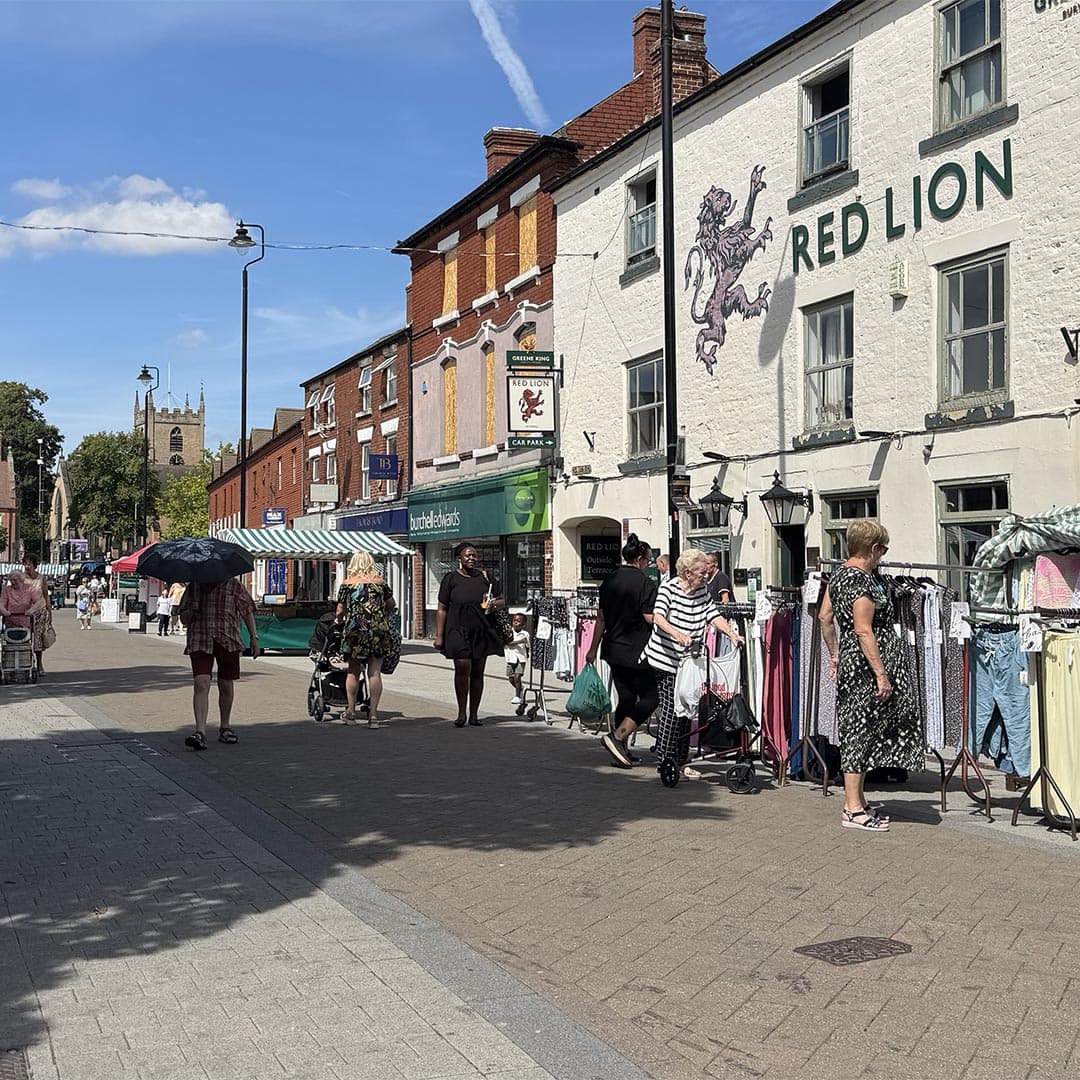
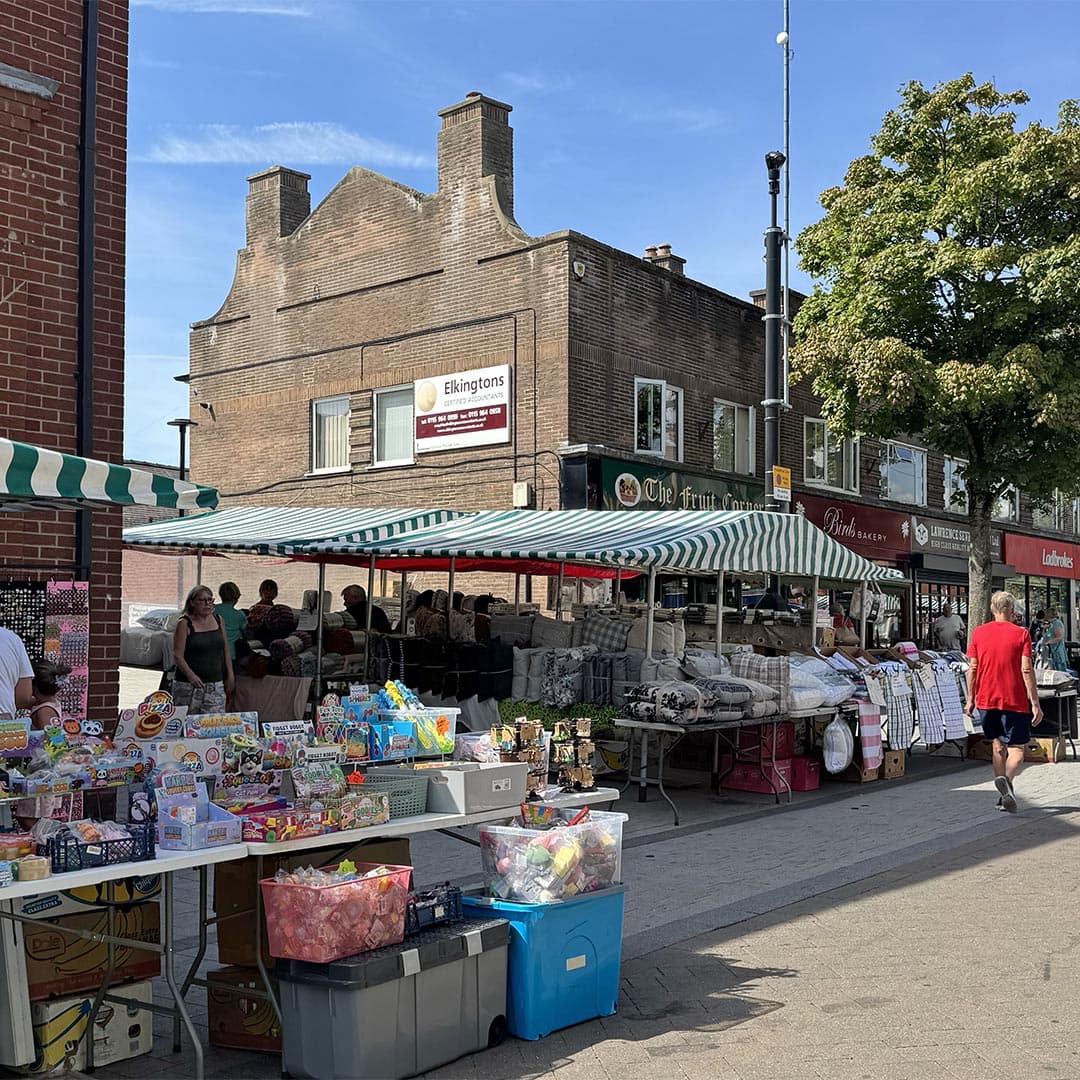
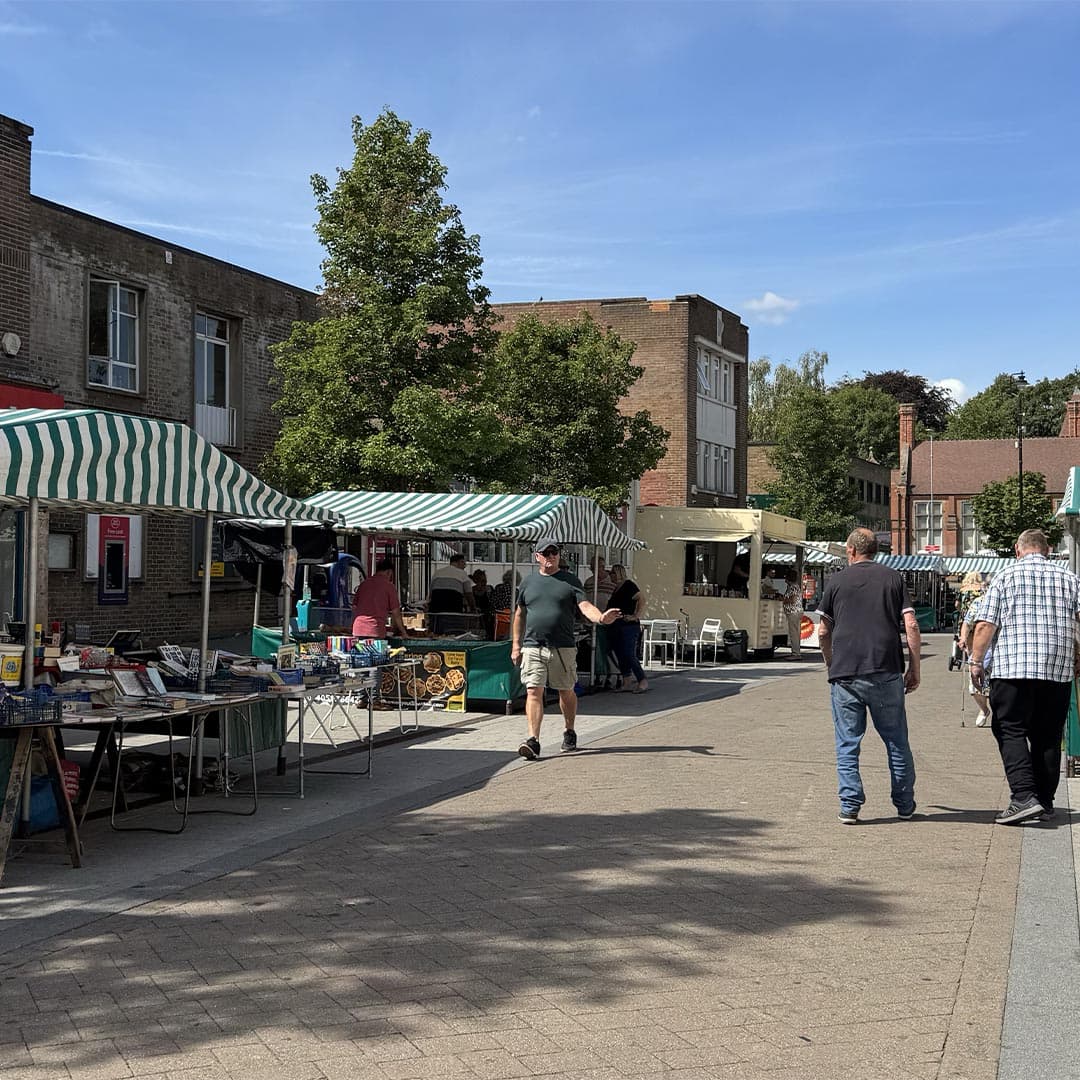
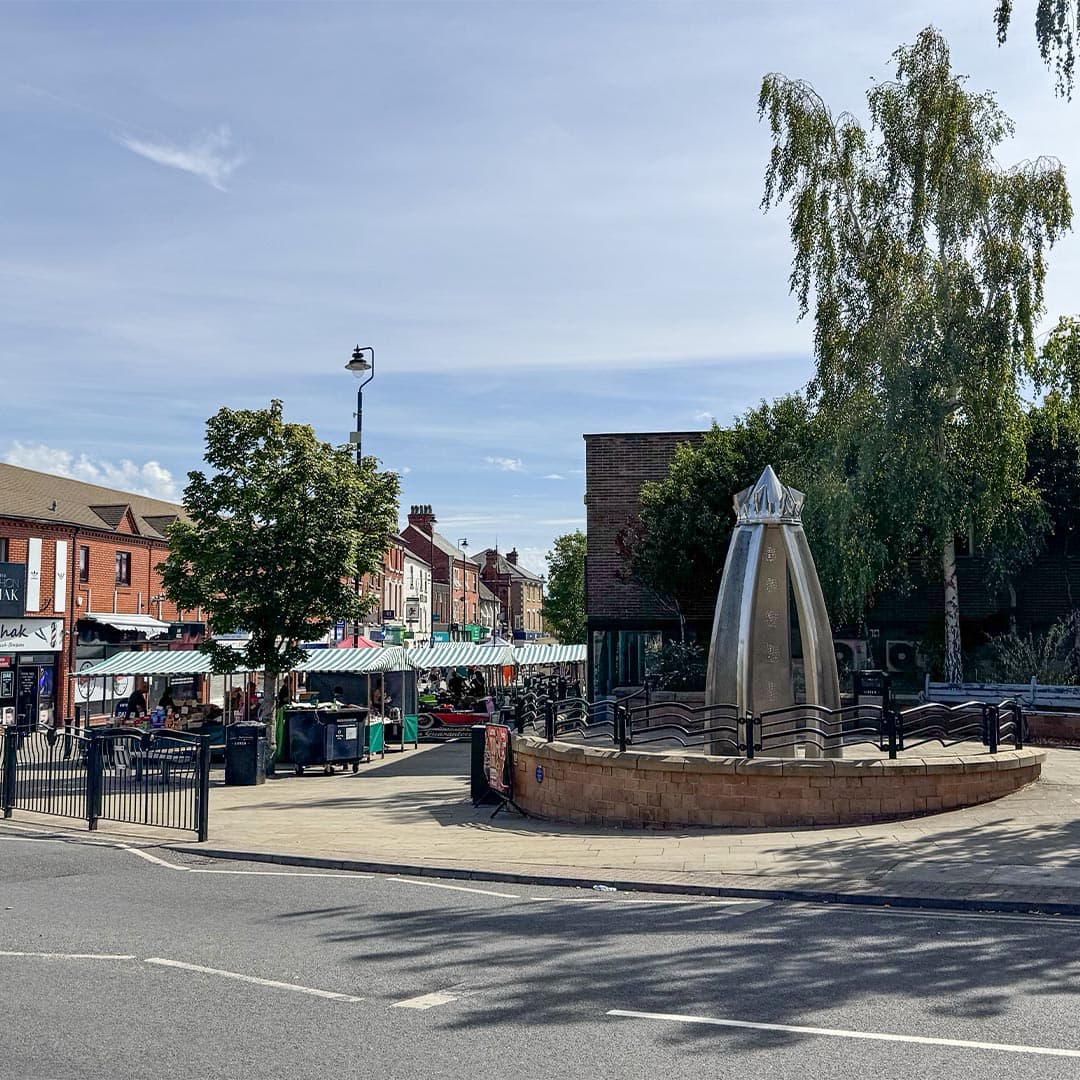
The centre does the everyday well rather than the fancy. There’s a Friday open market on the Market Place, cafes and takeaways along the High Street, and a spread of pubs including The Pilgrim Oak, The Green Dragon and The Plough Inn. When the occasion calls for more, the tram puts Nottingham’s restaurant quarter 35 to 40 minutes away without anyone needing to drive.

Hucknall has two secondary schools of its own, The Holgate Academy and The National Church of England Academy, which is rare for a town this size in the county and saves the cross-town school runs many suburbs live with. Primaries include Leen Mills Primary School, Hillside Primary and Nursery School, Holgate Primary and Nursery School and Holy Cross Catholic Voluntary Academy. Catchments matter with this much new housing arriving, so check the current position on GOV.UK’s Get Information About Schools service before settling on a street.

The town is unusually self-sufficient for supermarkets, with Tesco Extra, Aldi, Lidl and Asda all in or on the edge of the centre, alongside the High Street’s independents and the market. In practice, a Hucknall household can go weeks without needing Nottingham for anything, and that is not something the city’s dormitory suburbs can say.

The transport options are varied here. From the shared station, the Robin Hood Line runs south into Nottingham in around 20 minutes and north to Mansfield and Worksop, while the tram runs through the city centre and out to the far south-western terminus at Toton Lane. The A611 bypasses the town to the west and carries traffic towards the M1, and Trent Barton’s three buses link Hucknall with both Nottingham and Mansfield. The honest caveat is the roads at peak times: like most of the towns on the city’s northern edge, the routes into Nottingham by car are slow at rush hour, which is exactly why the tram and train matter here.

There are two things to plan around. Peak-time road traffic into Nottingham is heavy, so if you’ll commute by car rather than rail, test the journey at 8 am before you buy. And the pace of housebuilding, which is the town’s growth story, also means some services and school places are catching up with the population, so check the current catchment and GP registration position for the specific estate you’re considering rather than for the town in general.

he Friday market is the weekly fixture on the Market Place, with St Mary Magdalene Church and its Byron connection drawing visitors year-round. The town’s mining history is kept visible through the miners’ memorial, and the John Godber Centre beside the church hosts community events and groups. There is also a Camra beer festival in February and a Hucknall craft fair in September.
Bulwell, immediately south, has lower entry prices inside the city boundary with its own tram and rail stops. Arnold, to the south-east, has a bigger town centre. And if it’s the Byron countryside that appeals, the villages of Linby and Papplewick to the north offer conservation-village living at a premium, with Hucknall’s amenities five minutes away.

Hucknall is covered by our Arnold branch at 78 Front Street, Arnold (sales: 0115 648 5485, lettings: 0115 648 5495). Robert Ellis has been selling homes across Nottinghamshire since 1988, and the Arnold team handles the towns and suburbs along the city’s northern edge week in, week out. We have agreed sales on a variety of properties in Hucknall, including areas such as Hucknall Road and beyond. If you’re thinking of selling or letting in Hucknall, call the branch or book a free valuation online.