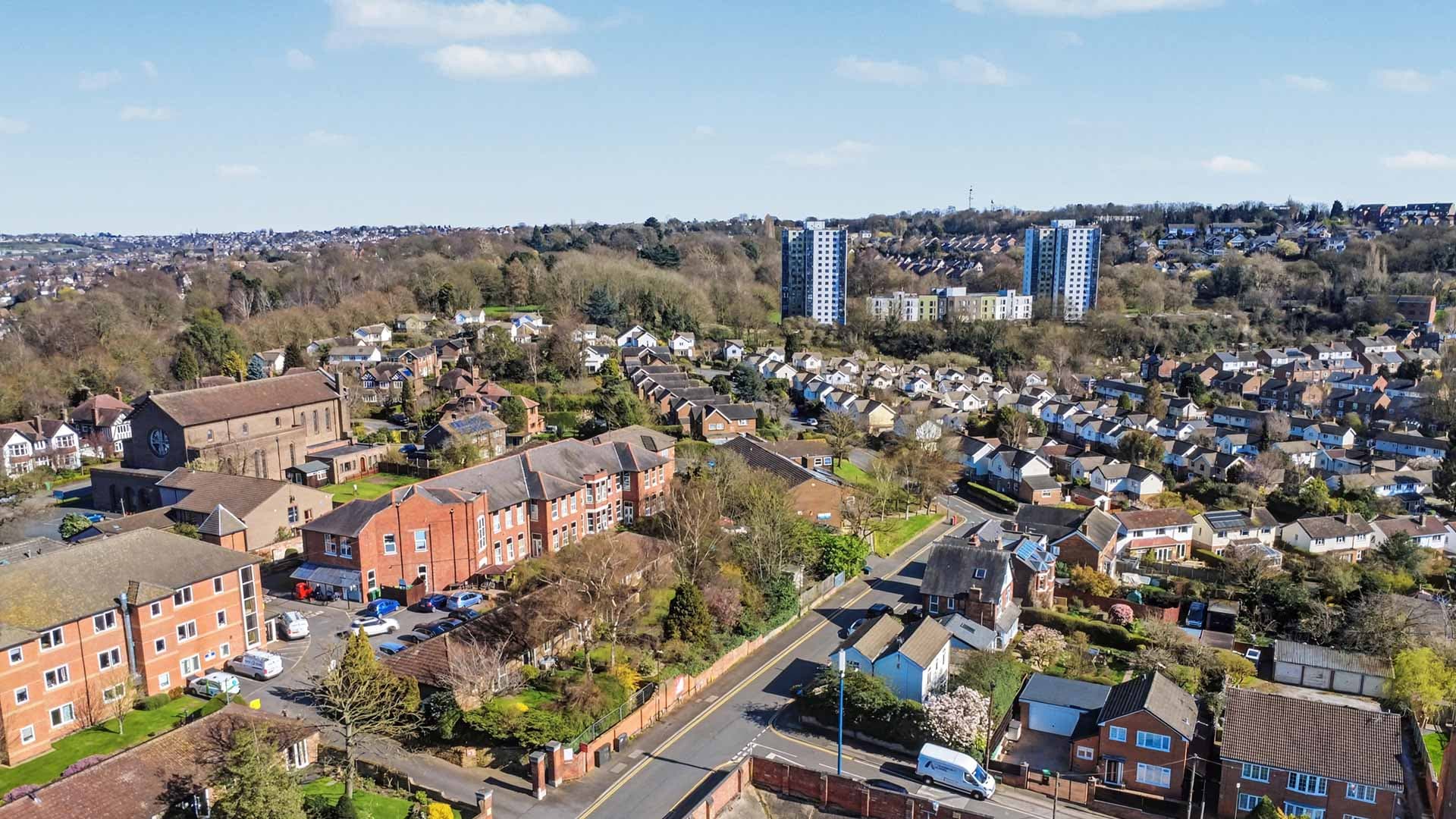
Sherwood is a Victorian suburb about two miles north of Nottingham city centre, along Mansfield Road, the old Mansfield Turnpike, between Carrington and Daybrook, with Woodthorpe to the north-east and Basford to the west. It shares only a name with Robin Hood’s forest, which lies well to the north; this Sherwood is a city neighbourhood, and its reputation rests on one of Nottingham’s strongest independent high streets, surrounded by streets of period housing.


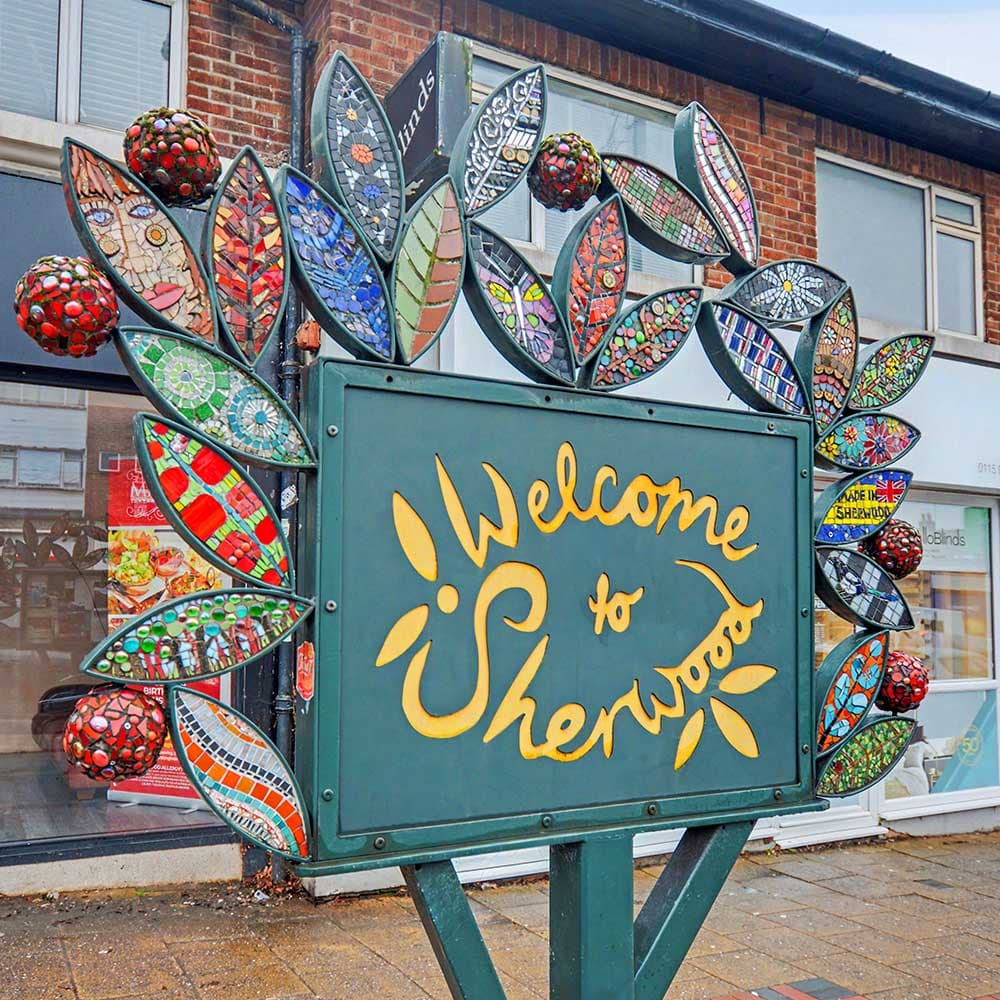
The high street is the main attraction. The stretch of Mansfield Road through Sherwood has a concentration of independent businesses that few Nottingham suburbs can match. Bird’s Bakery sits alongside cafes like The Pudding Pantry and The Crimson Tree (trading since 2012), as well as thrift stores, restaurants, and a run of pubs and bars between Percival Road and Elmswood Gardens. Free parking on Winchester Street and Hall Street makes it practical and attractive.
Sherwood’s Victorian history is easy to see. Elberton House on Hardwick Road, built in 1889, is a late work of Watson Fothergill, Nottingham’s most celebrated Victorian architect, and Woodthorpe Grange, built in 1874, stands in the park next door. Sherwood even had its own railway once. The Nottingham Suburban Railway of 1879 ran through what is now Woodthorpe Park, with a station in Sherwood. The landscaped park opened to the public in 1921, and today has a cafe, children’s play area and tropical house.
Sherwood appeals to buyers looking for a walkable neighbourhood on the north side of the city. Buyers get period housing, an independent high street they’ll actually use, Woodthorpe Park at the top of the hill, and frequent buses straight down Mansfield Road into the centre, with Nottingham City Hospital minutes away, making the suburb a popular choice for hospital staff. The area tends to attract young professionals and families who want to stay close to the city centre while gaining more space.
Buyer behaviour in Sherwood tends to come from city-centre renters and first-time buyers looking for more space without giving up easy access to the centre, as well as professionals working around Nottingham City Hospital and established local families moving within north Nottingham. Competition is particularly strong for two- and three-bedroom period terraces and semis on quieter roads close to Mansfield Road, with Haydn Road and the streets around the Sherwood centre featuring prominently in local buyer discussions. The usual trade-off against Carrington is that buyers accept a little more distance from the city in return for Sherwood’s stronger high street and community offer and more established family-house stock; against Mapperley, the choice is more often between Sherwood’s walkable local centre and Mapperley’s hillier position and different mix of larger homes.

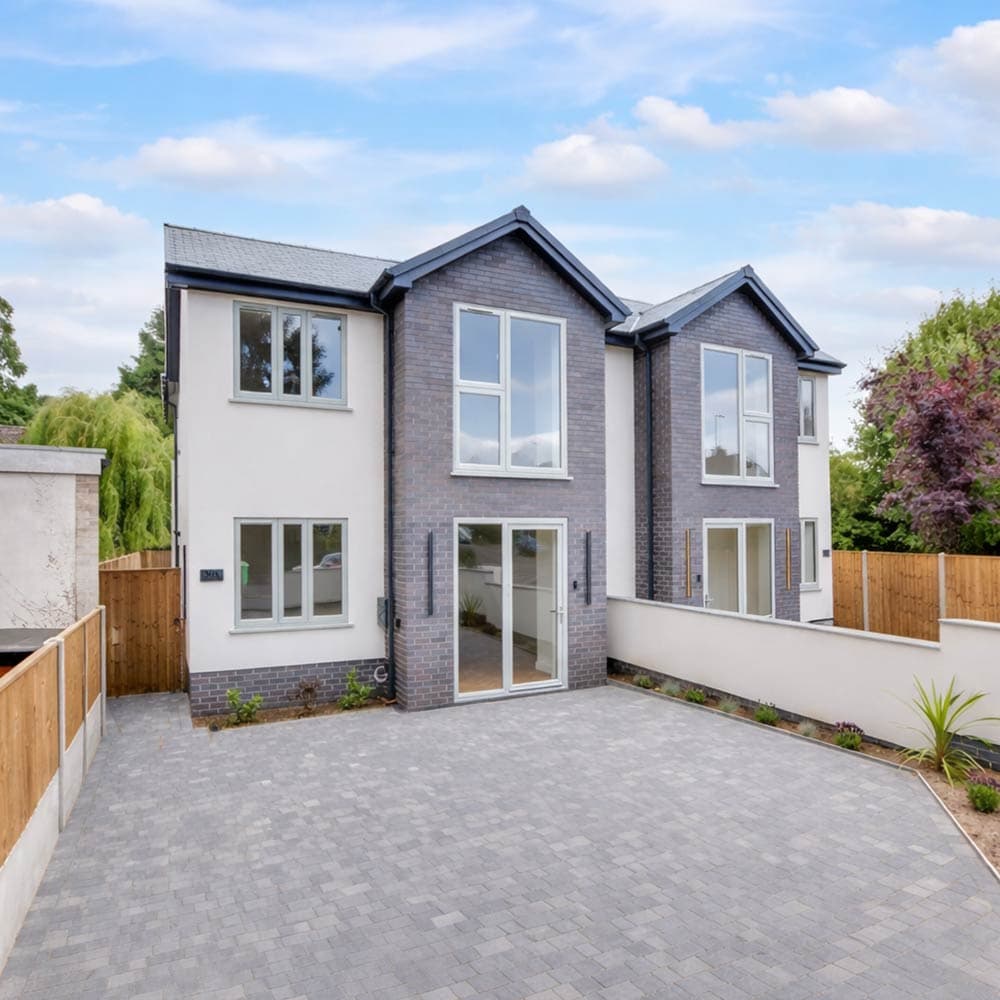
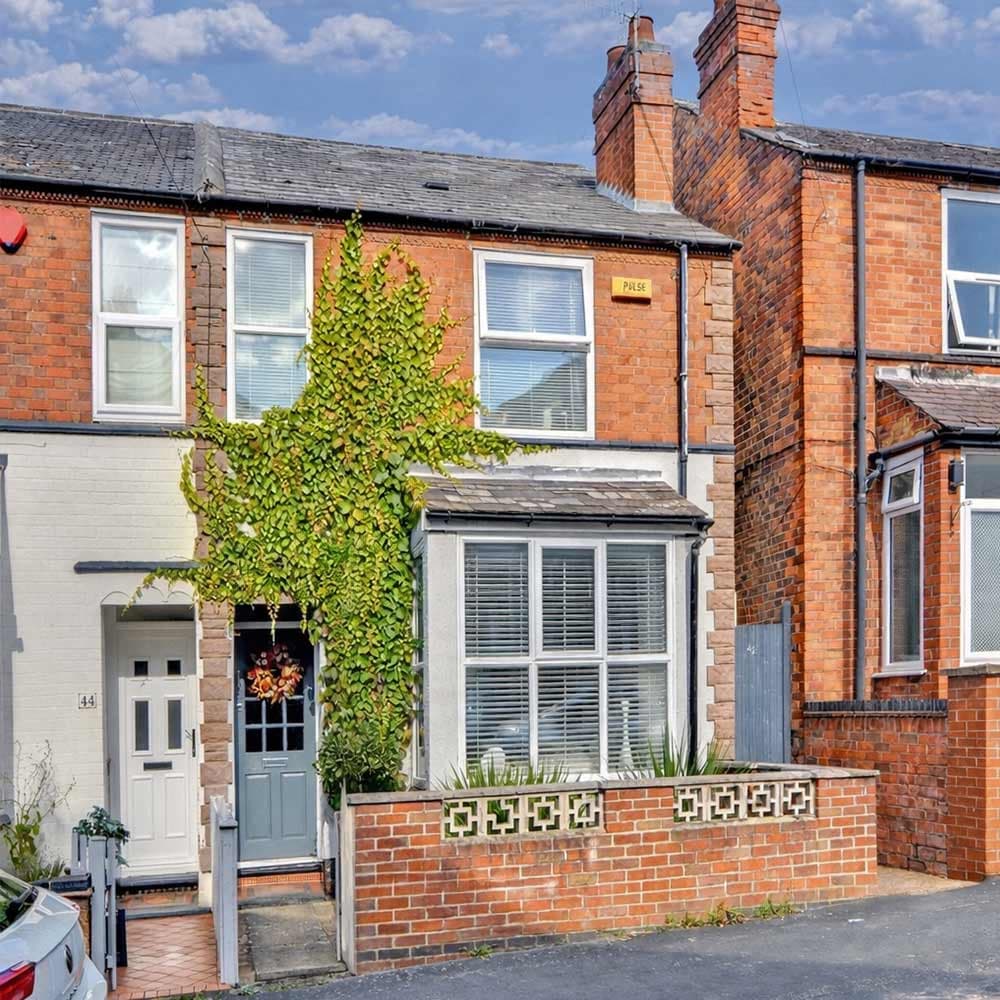
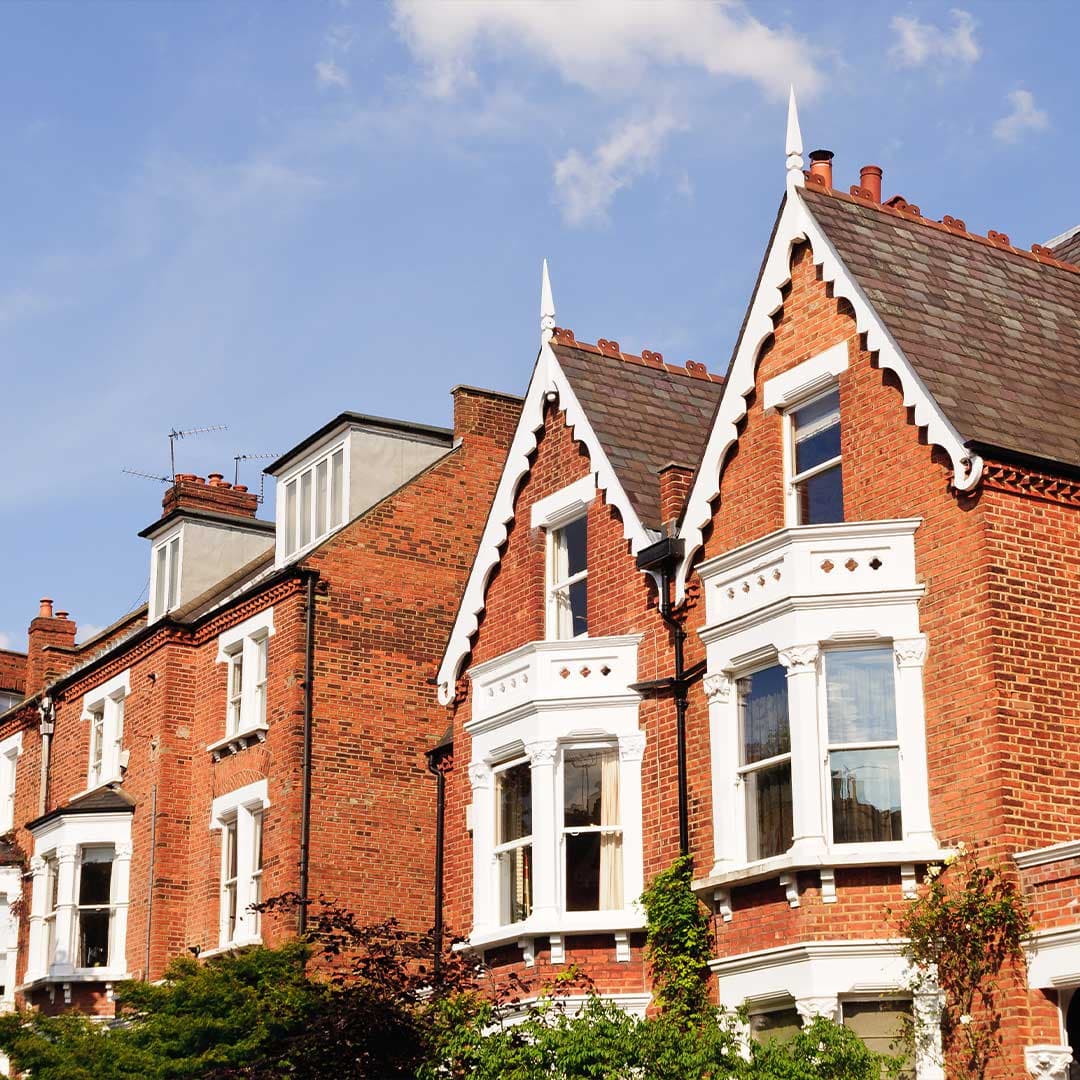
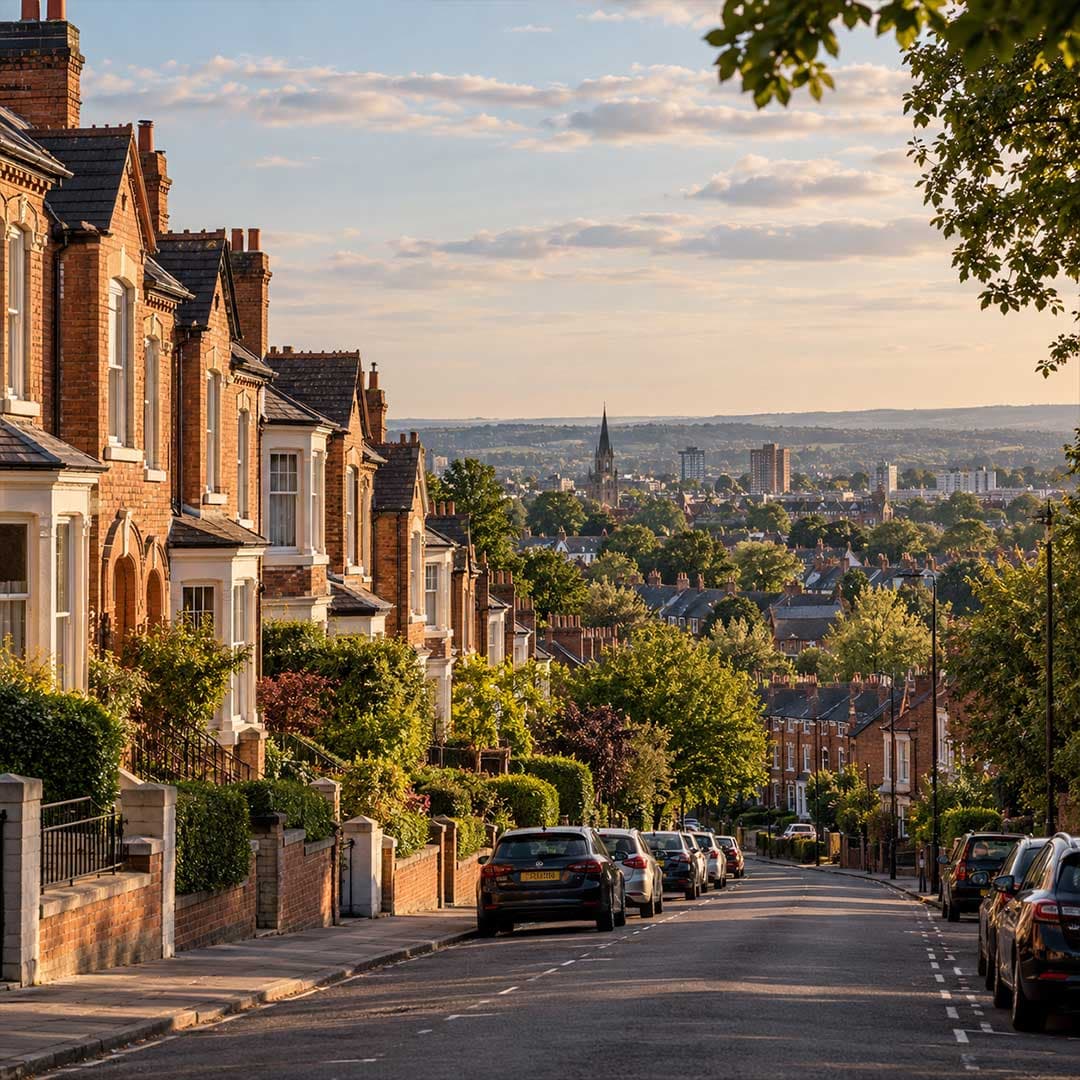
Victorian and Edwardian properties feature the most. Bay-fronted terraces and semis on the streets running off both sides of Mansfield Road, with larger villas towards Woodthorpe and Mapperley Park’s edge, and later twentieth-century housing and modern apartments filling the gaps. Many terraces have been opened up and extended, and the hillside means many streets have views across the city.
At the lower end of the price range, Mayo Road has terraced housing and appeals to first-time buyers looking to move to the area. The middle market includes established family homes on streets around Sherwood, while Private Road sits towards the higher end, attracting buyers looking for more space and character.
At the top end, Mapperley Park, including Mapperley Hall Drive, has larger period properties in a sought after location, while Elmswood Gardens is notable for detached family homes and higher-value transactions.
Woodthorpe Park is the suburb’s main green space. The Grange, the glasshouses, the playground, and the slopes that host half of Sherwood’s dog walks are all off Mansfield Road at the top of the hill. The high street provides much of the local entertainment, including coffee mornings, pub evenings and the kind of browsing that has disappeared from most suburbs over the years. The city centre, fifteen minutes down the road, adds everything else.

Sherwood has a great independent restaurant scene, particularly along Mansfield Road. There is a mix of cuisines rather than a single dominant style. Rakki Rakkas serves Turkish grills and meze, while Le Mistral focuses on French classics such as moules frites and bouillabaisse. Tipu Sultan, towards the bottom of the High Street, offers traditional Indian and Pakistani dishes.
The run of bars and pubs along Mansfield Road ranges from a Wetherspoon to independent bars such as The Winchester, plus the family-friendly Sherwood Manor on the Edwards Lane corner. One thing to bear in mind is turnover. Independents change hands and concepts here faster than anywhere else on this side of the city, which keeps the street lively but means this list can date quickly, so treat it as a snapshot.
Sherwood has a few established primary schools, with Haydn Primary School on Haydn Road for children aged 3 to 11. Its most recent Ofsted inspection, in December 2024, judged the quality of education to be good. Behaviour and attitudes, personal development, and early years provision were outstanding.
Seely Primary School on Perry Road is another community primary school, and its latest inspection was in February 2025. Ofsted’s current listing records it as Good. There is also Djanogly Sherwood Academy, a primary academy on Sherwood Rise, which Ofsted previously rated Good in its March 2023 inspection.
For secondary education, Nottingham Free School is located on Haydn Road and provides education for older pupils. Overall, Sherwood has a mixture of community schools and academies, with primary provision particularly well represented within the area. Catchment areas in this part of Nottingham are tight and can vary by street, so check GOV.UK’s Get Information About Schools service for the specific address before committing. Nottingham City Hospital and the private Woodthorpe Hospital are on the edge of the suburb, and anything the high street misses is fifteen minutes away in the city centre.


Mansfield Road is the main route, with Nottingham City Transport buses running into the city centre in around fifteen minutes and north towards Arnold and Daybrook. There’s no tram or railway station in Sherwood. The nearest tram stops are in Basford to the west, and locals rely on buses and cars. The A60 and A611 link across north Nottingham, with the ring road minutes away.
The Victorian streets were built before there were cars, so on-street parking is tight on the terraced roads and worth checking property by property. As described above, there’s no tram or train, which is important if you’ll be commuting. And the high street is lively, but it comes with the associated traffic.

The high street is a focal point for the community, with Woodthorpe Park providing the main green space. Sherwood’s cafes, pubs and venues host a regular calendar of markets, music and community events, and the suburb’s community groups are among the city’s most active.

Arnold, further along the same corridor, has a larger town centre and more house for the money, with less of Sherwood’s period character. Bulwell, to the north-west, has tram and train services from a single interchange. Wollaton, across the city to the west, offers suburban living around its park and hall at a higher price point.
Sherwood is covered by our Arnold branch at 78 Front Street, Arnold (sales 0115 648 5485, lettings 0115 648 5495), a few minutes up the same road. Robert Ellis has been selling homes across Nottinghamshire since 1988, and the Arnold team works across the Mansfield Road corridor between the city and Arnold every week. If you’re thinking of selling or letting in Sherwood, call the branch or book a free valuation online.